
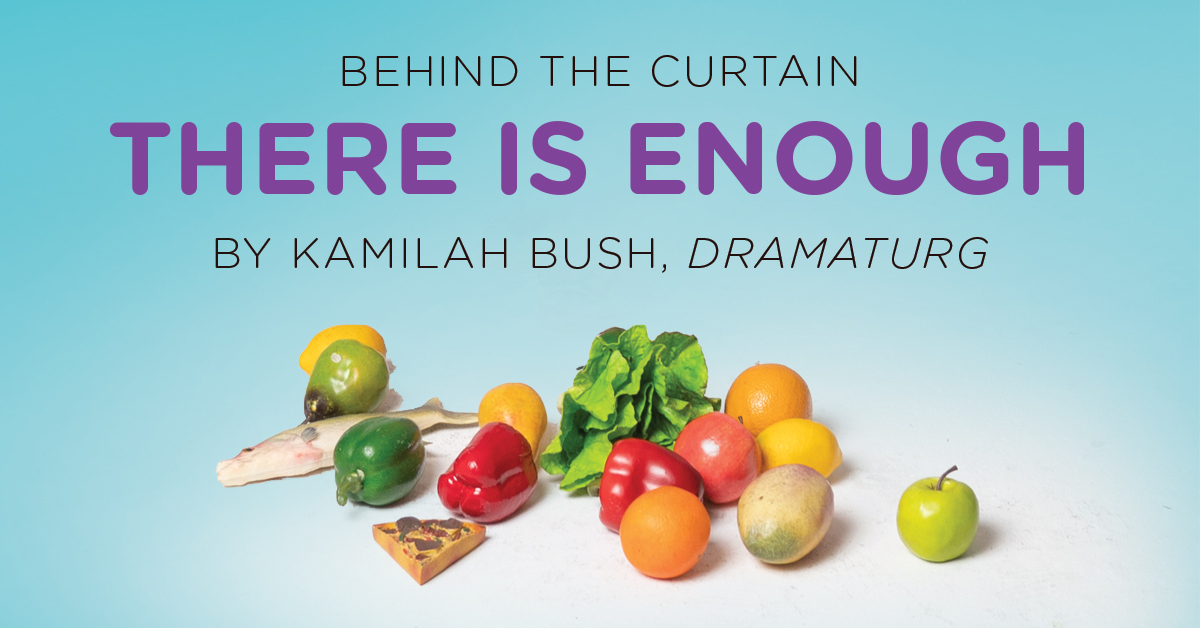
Behind the Curtain: There Is Enough
When one begins to look at the issue of food insecurity the statistics are staggering, the anecdotes are harrowing, the facts are halting — but all of those things are true because of one prevailing truth: “There is enough food for everyone; people go hungry because of policy choices, not scarcity.” This sentence wraps up Oregon Food Bank’s “The State of Hunger in Oregon: Hunger Facts” and before one can get any deeper into the realities of food insecurity, how we as a society got here and what we do next, it feels imperative to begin with that simple fact. There is enough food for everyone. People go hungry because of policy choices. Not scarcity.
The USDA defines food insecurity as “the limited or uncertain availability of nutritionally adequate and safe foods, or limited or uncertain ability to acquire acceptable foods in socially acceptable ways.” In Oregon, those staggering statistics, as reported by Feeding America, state that 1 in 7 adults face hunger and 1 and 6 children. The Oregon Food Bank reports that these numbers are growing — food bank visits grew by 51% in the last two years but the amount of food distribution only grew by 5%. The Portland branch of OFB saw 914,200 visits last year. It is also reported that communities of Color — particularly Black and Indigenous communities — experience food insecurity in Oregon at a rate that is 2 to 3 times higher than other communities.
There are many contributing factors to food insecurity. Chief among them is the rising cost of living. The USDA predicts that all food prices are going to rise by 2.9% this year alone — meaning that the carton of eggs at Safeway which, according to their website, currently costs roughly $2.49 will cost closer to $2.56 by the end of the year. While that $0.07 increase seems minimal, the United States federal minimum wage has remained stagnant at $7.25 since 2010. For context, a dozen eggs in 2010 averaged $1.44. And while Oregon’s minimum is nearly twice the federal wage, the widening gap between wages and expenses means that more and more Americans are facing a world wherein they cannot afford the basics.
Oregon, as of 2025, has the third highest SNAP eligible population in America and another contributing factor to food insecurity is the continued cuts to those benefits. SNAP — Supplemental Nutrition Assistance Program — which was formed in the 1930s, will receive $186 billion in cuts over the next decade, due in large part to the current administration’s “Big Beautiful Bill.” This bill excludes many formerly eligible SNAP recipients based solely on being an immigrant, it foists food assistance costs onto the states and in some cases eliminates all federal funding, and imposes restrictive time limits and benefits freezing that cannot respond to the rising cost of living. In Oregon, this means $9.5 million a year in SNAP funding is eliminated and 93 full time employees lose their jobs.
Policy changes drive hunger. In Portland, there are many people combating these attacks on our community’s health and survival. Urban Gleaners is an organization that seeks to eliminate food waste by redistributing excess food from farms and businesses and serves 8,500 Portlanders a year. The Oregon Food Bank has 21 regional food banks. The PDX Meal Map allows users to search for free food based on location and meal type. Many community members have started free fridges and pantries across the city. The Feed’em Freedom Foundation supports small Black owned farms and has served 3150 households in 2026 with their food pantry in NE Portland. Portland Backpack, an organization that specifically serves the children of our city, provides snacks for weekends, when students are not receiving meals from school. There are many more individuals and organizations in our city that offer support — and in turn, they need the support of those who can to aid them on the mission of making sure that no one, regardless of how legislation hinders them, goes hungry — because there is enough food. For everyone.
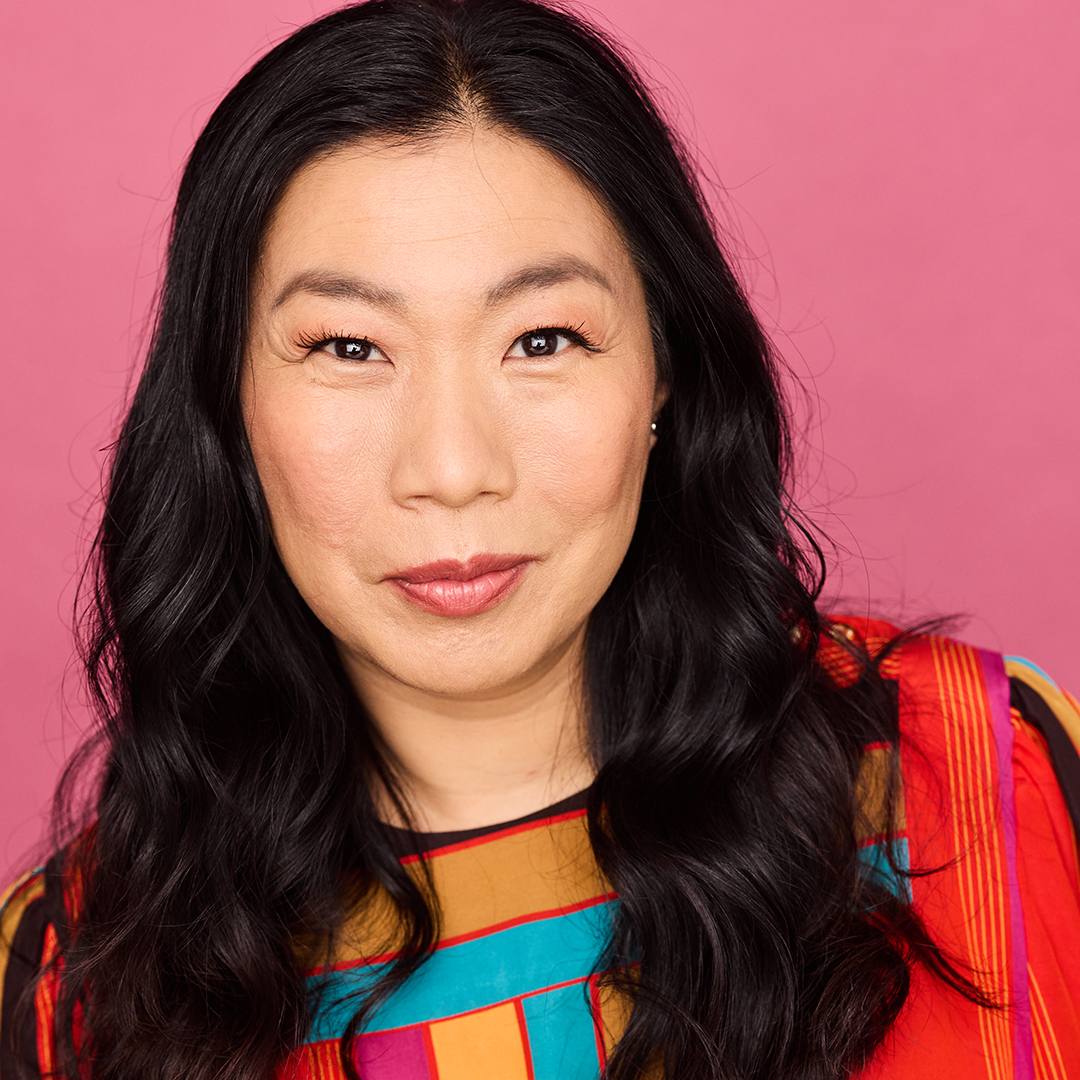
More about Kristina Wong, #FoodBankInfluencer:
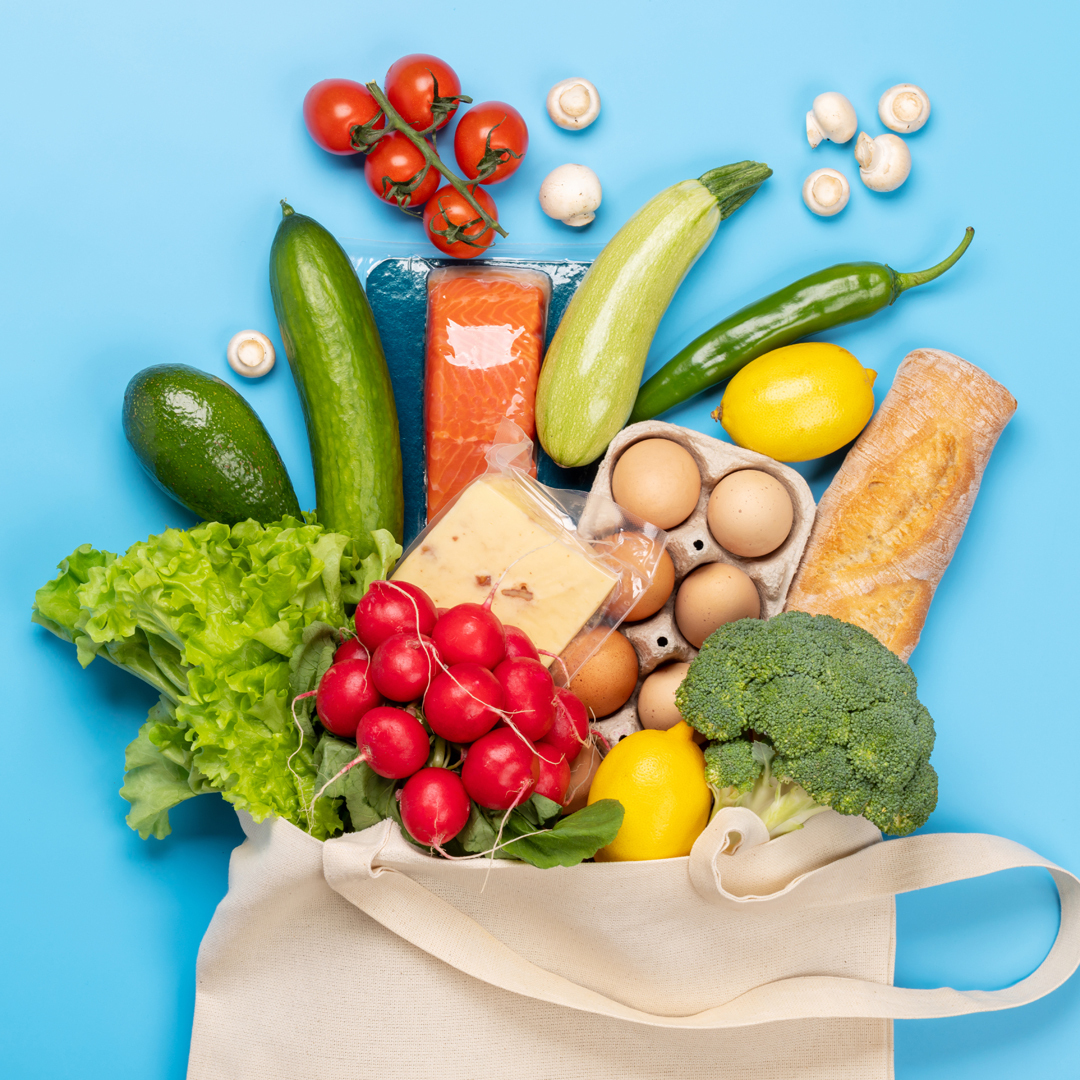
Community Food Resources: Places to Get Help & Give Help
This guide highlights a selection of local food pantries, meal programs, and volunteer opportunities in the Portland area. While not comprehensive, these organizations offer ways to access food, support neighbors, and get involved in the community.

Snap!: The vibrant ‘Kristina Wong, #FoodBankInfluencer’ entertains and enlightens with karaoke-style songs
By Linda Ferguson for Oregon ArtsWatch
Wong’s solo musical comedy, playing at Portland Center Stage, also digs deep as it schools us on rising food insecurity in the richest nation in the world.

Stage & Studio: Interview with Kristina Wong
Stage & Stduio's Dmae Lo Roberts interviews Kristina Wong about her new show #FoodBankInfluencer, returning to Portland, and why "food banks?." Listen online or wherever you get your podcasts now.
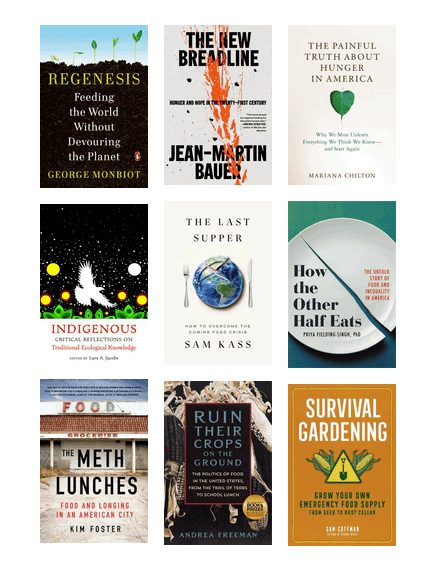
Multnomah County Library My Discovery Pass Reading List
Enjoy a thoughtfully curated list of readings to complement your Kristina Wong, #foodbankinfluencer experience!

How do you become a food bank influencer? Comedian Kristina Wong has answers
Isabella Bernstein interviews Kristina Wong on #FoodBankInfluencer for the Boston Globe
Current & Upcoming

Pride & Prejudice
Love, misunderstandings, and plenty of sharp wit take center stage in Kate Hamill’s sparkling adaptation of Pride and Prejudice. Lizzy Bennet prides herself on good judgment—until the enigmatic Mr. Darcy challenges everything she thought she knew about love and first impressions. With playful theatricality, hilarious double casting, and a modern comedic spark, this fresh take on Jane Austen’s beloved romance is as clever as it is swoon-worthy.
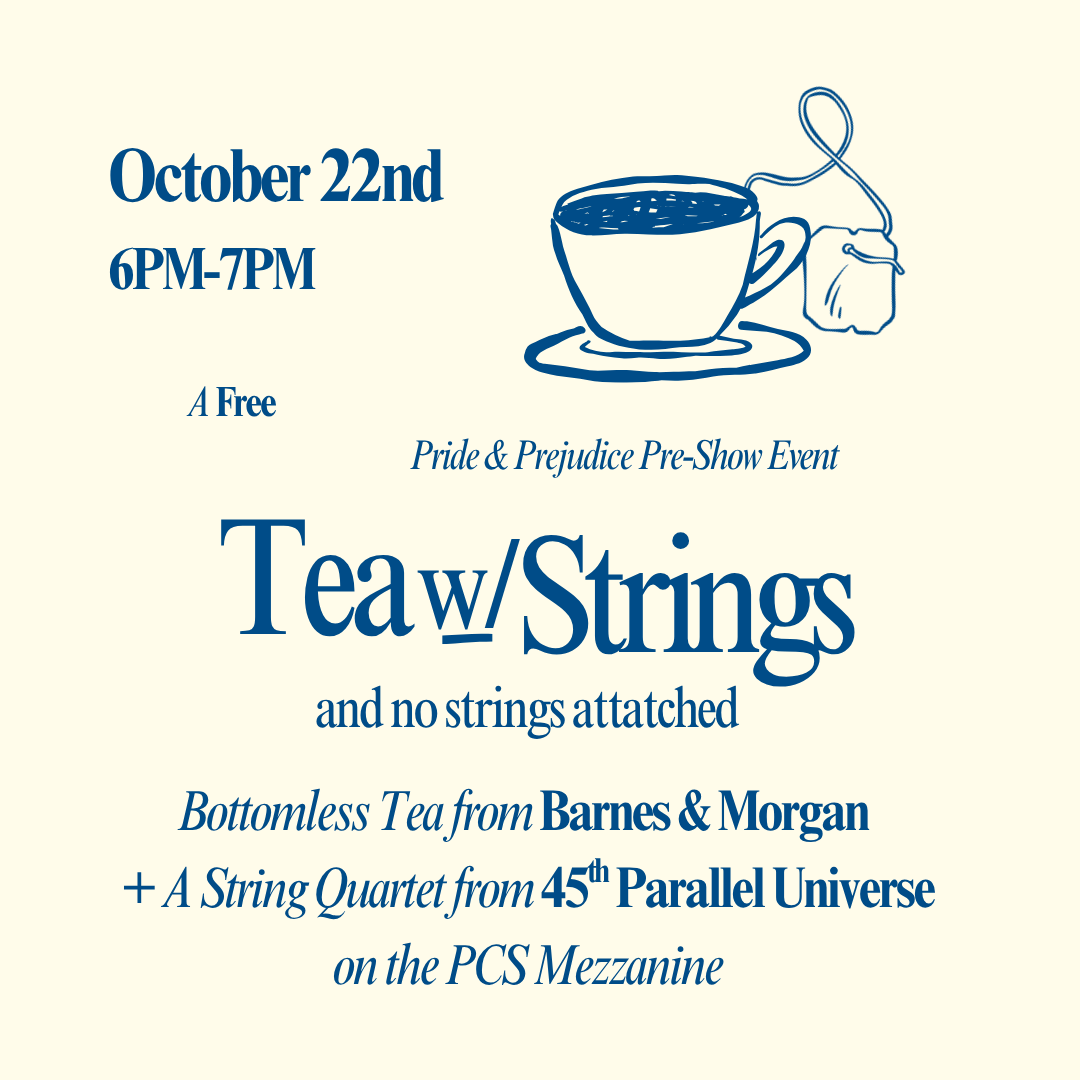
PCS Presents: Tea w/ Strings
Join us for a free pre-show event with bottomless tea from local tea and fashion powerhouse Barnes & Morgan, music from 45th Parallel Universe and of course catch our evening performance of Pride & Prejudice!
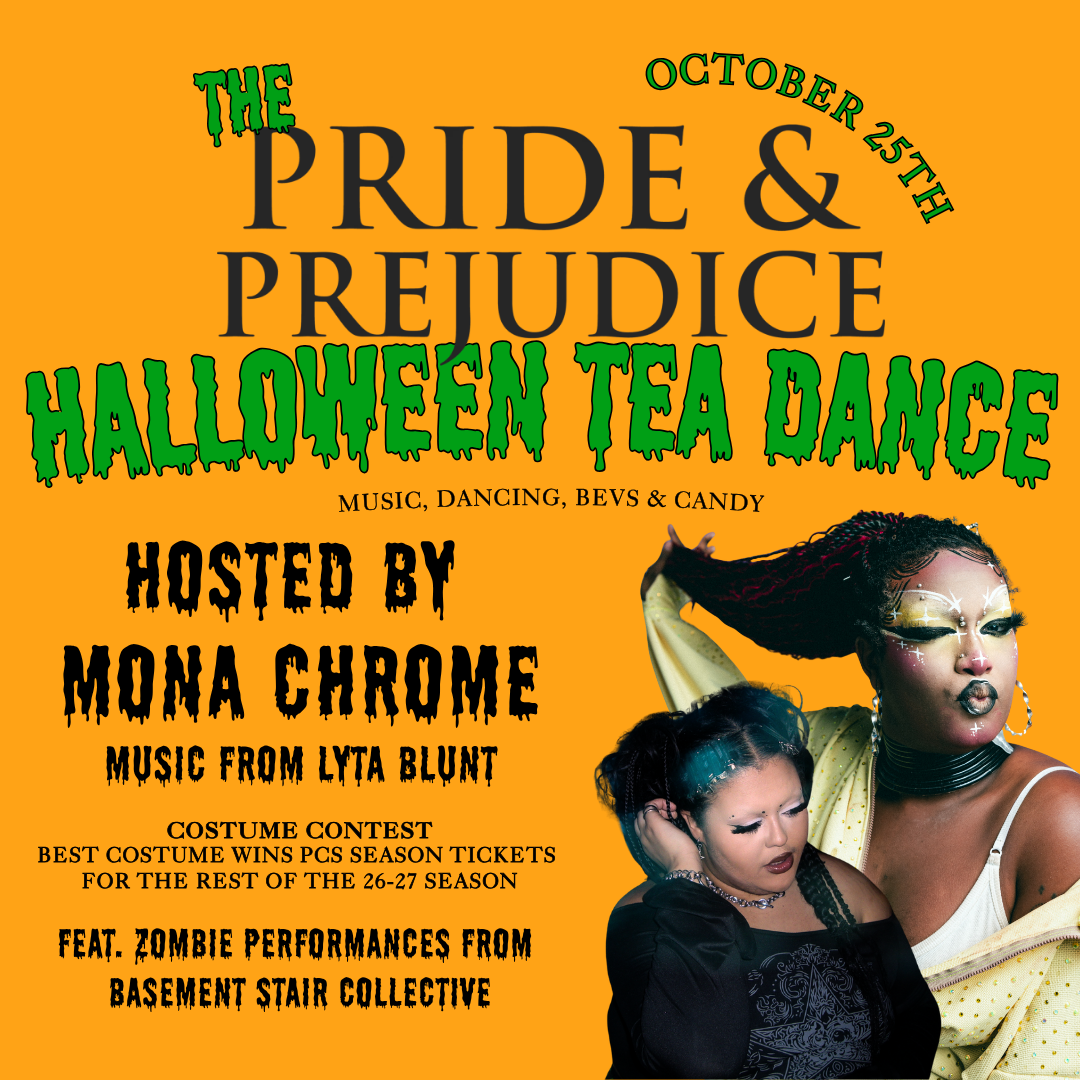
PCS Presents: The Pride & Prejudice Halloween Tea Dance
We are throwing a Halloween themed Tea Dance!
Pride & Prejudice is closing and being taken over by zombies looking to whet their appetite before Halloween. Part costume party - Part Halloween Celebration, Part Regency era courting ritual, All afternoon discotheque tea dance vibes. End your weekend on a spooky note with a somewhat civilized if not undead costume dance party.
Regency era and/or Zombie attire encouraged.
Hosted by the fabulous Mona Chrome, music from the amazing Lyta Blunt. All ages!

Encore! Emerald Anniversary
Join us for an unforgettable evening celebrating 20 years at The Armory.
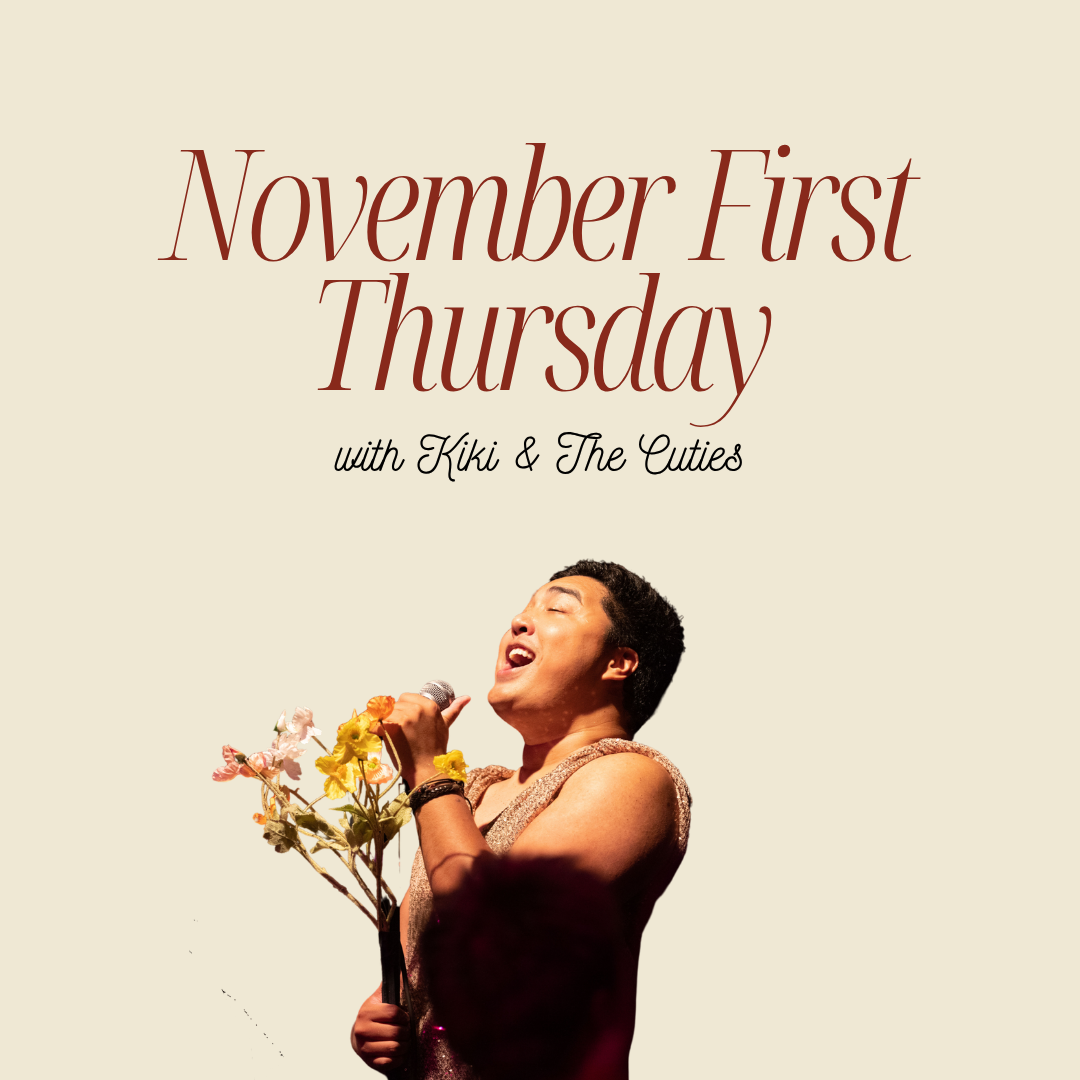
November First Thursday with Kiki & The Cuties
Our final First Thursday of the calendar year is going to be a special one! Enjoy live music from local act Kiki & The Cuties, our gallery exhibit Then. Now. Next. 20 Years at The Armory, and of course grab yourself a complimentary beer courtesy of Deschutes Brewery. Doors at 5PM, see ya there!!
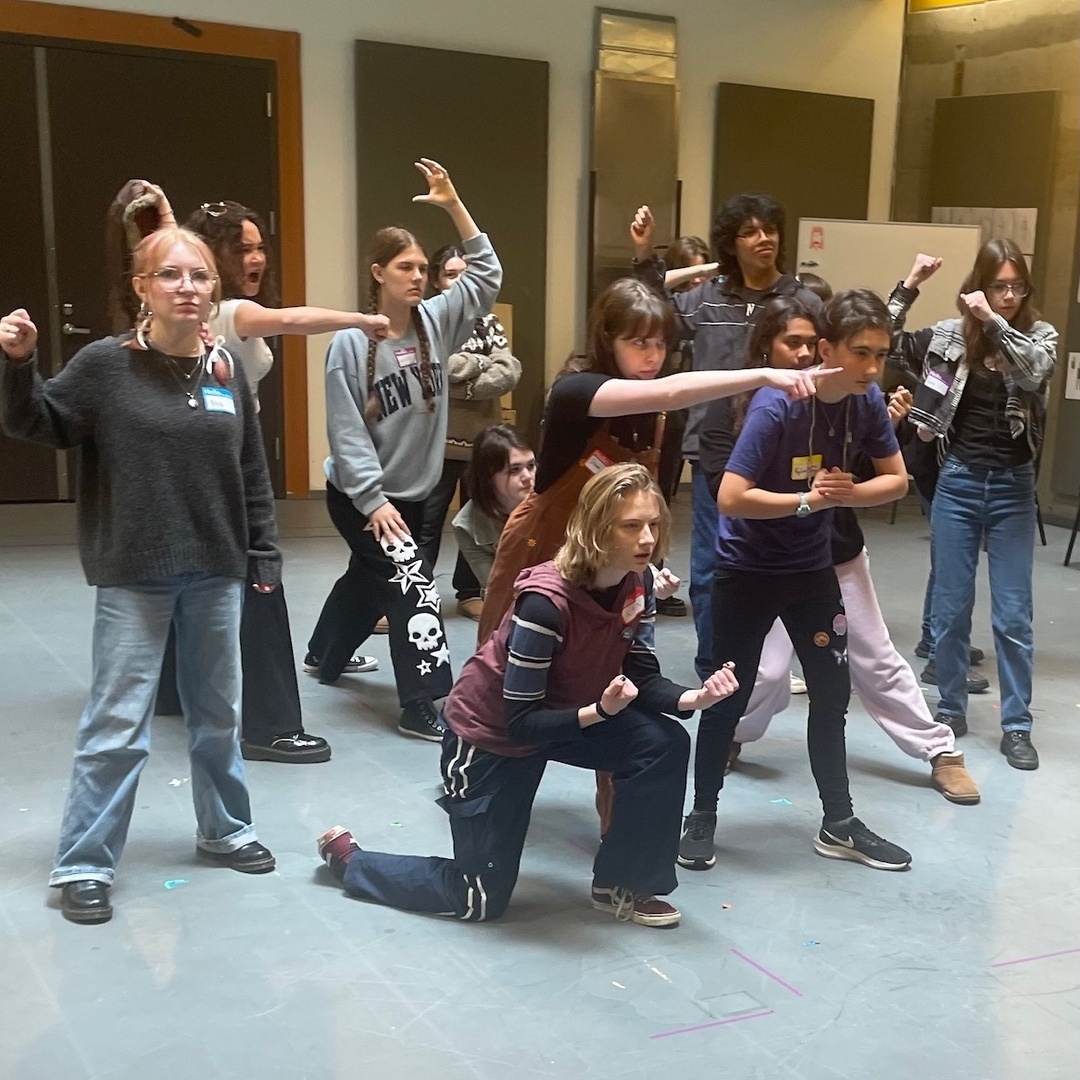
PCS Teens: Fall Improv Classes
Through fun games, acting lessons, and spontaneous character creation these classes will unlock your inner creative genius and give you the chance to get out of your comfort zone in a fun and safe environment.
Portland Center Stage is committed to identifying & interrupting instances of racism & all forms of oppression, through the principles of inclusion, diversity, equity, & accessibility (IDEA).
Season Superstars

Season Supporting Sponsors


Season Producing Sponsors