

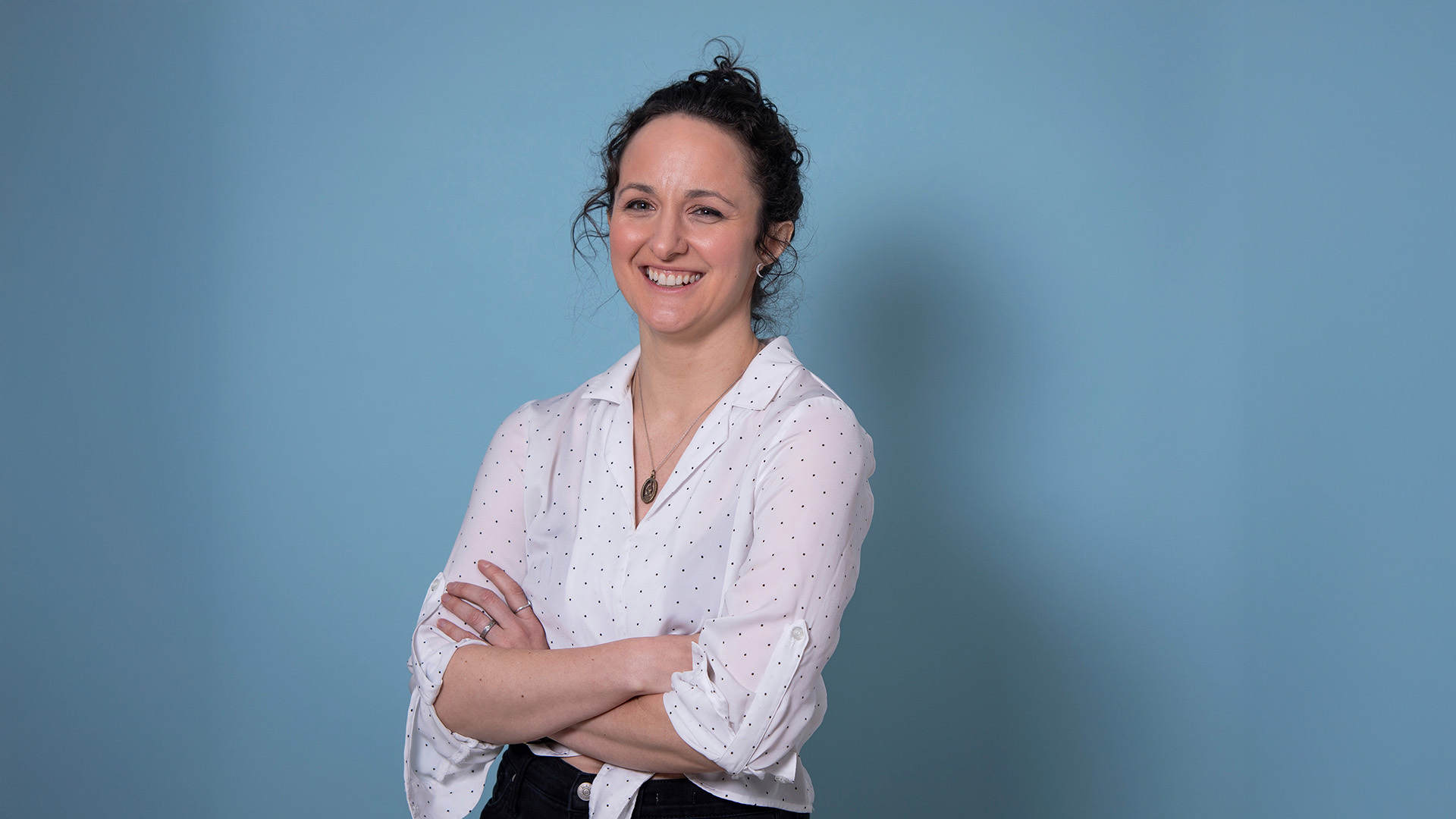
Behind the Curtain: Kate Hamill on Pride & Prejudice
Kate Hamill chats with PCS Literary Manager & Dramaturg Kamilah Bush about adapting Jane Austen, artistic inspiration, the slippery slope of AI, and the strangely complex joy of reality television.
Kamilah Bush (KB): What was your initial idea for writing an adaptation of Pride and Prejudice?
Kate Hamill (KH): Well, my long-term project—and I'm 10 years into it, which is a little crazy—but one of my many projects is to write adaptations of all of the Jane Austen novels in the order that she wrote them. So Emma was my latest one, but Pride and Prejudice was her second novel. So it’s the one I wrote after Sense and Sensibility, which was my first adaptation. When I started thinking about adapting Pride and Prejudice—and obviously Pride and Prejudice has been adapted every way possible, and is arguably like a blueprint, along with maybe Much Ado About Nothing, of what a romantic comedy is—I knew I had to bring a really strong personal point of view to it because there are lots of pretty excellent, very straightforward adaptations of it. So if I was going to make one that was new, but also that was specifically a theatrical adaptation, as opposed to a sort of BBC adaptation, or the 2005 film version, which is quite good. I wanted to bring something surprising, that talks about stuff that happens today, and is really theatrical and irreverent.
So, when I was thinking about Pride and Prejudice, and trying to come at it with a really new lens—because I always sort of write plays when they're adaptations as a collaboration between myself and another author who's sometimes dead— this book brought out of me, “how do you know if you've made the right match in life?” At the time that I wrote this, my now-husband and I were really circling around getting married. And I, historically, was very scared of marriage. Now I'm quite happily married, but I was scared of it. And it's because you see how making the right match or the wrong match in life can really impact your life; and it was even more true, obviously, in Jane Austen's day.
So I, and we, tend to sort of treat love like something between a game and a war. Like there are rules. There indeed was a famous book called The Rules. People talk about it like a game. It's all very stratified, and so I was like, "Well, what's a theatrical form that's sort of halfway between a game and a war?” And it's farce. So I decided to make Pride and Prejudice into sort of a door-slamming farce, and that's how we got here. I think you can make a farce that really has genuine heart and emotion, so that is what I did. And I brought in lots of game theory and role-playing. I wanted to make the focus of it all these different matches because the theme of the play is, “How do you know if you made the right match?” You can look at what ends up being a romantic comedy and be like, “Obviously they're perfect for each other.” But in life, you know, often we're like, “Is this the right thing?” So that's what I did. I wrote it, and then my now-husband played Mr. Darcy, and I played Lizzy in the first one. I got to get out all my feelings in my typically really sick way.
KB: This is a great segue into my next question, which is: what do you remember about the first production of this play?
KH: It was so fun. Any time you're making your own work—and you know this as well because you're a lovely playwright—it's so vulnerable you just feel kind of sick for a while. This play was so fun to work on. It's a real ensemble piece, and everyone carries about the same weight, so it creates a lot of ensemble building. It felt like we were playing a game when we were doing it, but it felt like it was also high pressure. It felt like a game and a war. But it was really, really fun. I just remember laughing all the time, and also trying to be really careful too—I played Lizzy in that production, and that was eight years ago. Sometimes you're reaching back through the sands of time, but Lizzy Bennet is one of those parts that you're sort of like, “wow!” It's daunting, you know to really make this my own, and not make, I don't know, Keira Knightley's or whoever's (Lizzy). Lizzy in the play is a difficult, difficult person in her way. So I was like, "Well, I know how to do difficult!” So it was fun. I actually had a really good time.
Many, many, many, many, many people have played that role since—and played all the roles—including quite good friends of mine, and it's really lovely to see them make it their own. It's one of the only plays of mine that I came back to [as an actor]in a different production. The next time I played Lydia, which was the only other role I wanted to play because Lydia just comes in and blows up every scene. It's way less responsibility. I just had a great time both times I worked on it.
KB: Yeah, that's so fun. We are having fun already in the rehearsal room. You've been in our space, so you know how the rehearsal room is like right in the middle of the offices. So you are sitting at your desk, and all you can hear is just like peals of laughter and screaming from the room.
KH: I love a big screamy, laughy—you know, sometimes it just feels so good to do something (where) no idea is too silly, you know? I love that!
KB: My favorite thing was when we were in the table read, and I said to (Director Marissa Wolf), "Remember what a Kate Hamill ALL CAPS actually means? A Kate Hamill ALL CAPS means YELL OUT!”
KH: That's exactly correct. It's just like screaming. Scream! Let them scream!
KB: Also, this is a silly side question I have about the play. Where did the idea for the bells come from? There are so many fun bells in this. There's the, like prize fighter mark one that feels very game theory, like we're boxing, but like, where did all the bells come from?
KH: Well, you know, life. This was like art imitating life because when I first met Jason, my husband, I shook his hand and a bell went off in my head. I never had that experience before. And I had a boyfriend; I was not available, you know? And it was like, “ding!” and I was like, “Whoa, what was that?” So then, when I was writing the play, I was like, well, that (memory) feels useful. And again, I'm deeply sick, so I'm always stealing stuff from my life and putting it in plays. It ended up actually in that monologue of Darcy's. (A bell in the play also) often marks a game. It calls attention to things. Bells are marital bells. They're ceremonial. They've got something slightly funereal about them. “Ask not for whom the bell tolls.” And so I just felt like it was a useful marker, and also added a sense of theatricality.
KB: I love that a bell went off in your head when you met Jason. Now I'm like, if a bell doesn't ring, I don't want them!
KH: I mean, I was not someone who believed in any of that stuff. I was not that person. And then I was like, "What was that?” And then I was like, "Put it out of your mind!” And then I was single, and I was like, "Oop…”
KB: Remember that bell?
KH: Reader, I married him.
KB: All right. So let's move into why live performance is important.
KH: Well, live performance, especially now, is deeply cathartic. It's deeply community-building. There are many studies that show when the actors on stage and the audience are sitting next to each other, their heartbeats begin to sync. We're living in a time of deep disconnection (with) a lot of, I would argue, stunted catharsis. I am addicted to social media, so you know, no one is more guilty of this than me. It feels like you get connection and catharsis through social media, but you actually are not getting a full meal. You're often getting snacks or candies—not that there's nothing useful about it. It's just not the kind of full, concentrated, deep experience of focused attention of a whole group of people together...That's something live theater does that almost no other art form does. It gives us meaning in the story of our own lives, and it gives us empathy for people who are having completely different experiences than we do in life. It's one of the few places in American life where you're sitting next to someone, and you are part of a communal experience, but you don't know what their (personal) experience has been. But you're all at least theoretically feeling empathy for the person on stage, and they are sort of riding that wave with you…It's like a sand mandala. You make it every night, you make this very precious and amazing thing, and then you blow it all away. It goes away. You'll never have the same experience twice; when you're in a show, or when you're building a show, it's different from night to night. You build a form, but it's different. And we also need that kind of surprise in our lives and an ability affect each other in real time, especially in an age of AI. We're increasingly trying to control even the experience that we get reflected back to us. AI literally tries to tell you what it thinks you want to hear, and hopefully, theater is not just telling you what you want to hear.
KB: Beautiful, I agree. I literally got into an argument with my friends the other day. An anti-AI rant. I was like, “I don't even think civilians should have access to it. Like, put them in the science labs and leave the rest alone!”
KH: Well, what's interesting about us, you know, I've heard people say like, "Oh, theater is AI-proof,” and I'm like, "It's not.” I mean, especially for writers, it's definitely not. Some hack is using AI to write a script right now, at like this moment. But it is AI-resistant in that you cannot create (the live theater experience) through artificial intelligence.
KB: You still got to make some things with your hands. You still have your hands. I just remind myself all the time. They can't take the bread making away from you, you know what I mean? Like you're still gonna have to knead that dough. You're still gonna have to knead that dough, unless they give the robots the technology. Somebody's still gonna have to go in there and make the thing.
KH: Yeah, it's touching the artistic grass. It's like making the garden. And again, I'm guilty of a lot. Like, I hate AI. I hate AI. Not an AI girly. But I'm social media guilty. I love just going through the algorithm. I have a new baby, (and) when I'm nursing the baby, (there’s) nothing better than Instagram at 3 AM. But, you know, we need these longer-form experiences.
KB: Yeah, I agree. What plays are you seeing or reading or what (are you enjoying) out there in the art space? It doesn't even need to be plays, I guess. But like, what art is inspiring you? What are you plugged into, other than the Instagram timeline?
KH: There's a play that's coming back to New York called Pre-Existing Condition that is such a stunning play. It's by Marin Ireland, and it just broke me the last time I saw it. So I've been thinking about that play. I've been reading a lot of memoirs and also a lot of histories of revolution. I'm reading a very sad, kind of tiresome book, in its way, called A People's Tragedy: The History of the Russian Revolution. It's very granular, but there's something I like about it because when you think things are bad—like in the grand scheme of history—sure, they are really dark periods we have a lot of good things going for us too. It teaches you things can go wrong, but also how much life can sort of change for people overnight.
I'm trying to think…Oh, I went and saw Oh, Mary! Delightful! So delightful, so funny. I'm a big high-low person, so I do watch Below Deck. Tragically, there's something very—Below Deck is like Upstairs, Downstairs for people who like reality TV—and it's very theater. It's very theater. It's like people working really hard to make a really complicated thing happen, but in a way that seems easy and fun.
KB: My favorite thing in the world is that like all of the smartest people I know love The Real Housewives.
KH: I have also watched a lot of The Real Housewives. There's a real argument to be made that The Real Housewives is like patriarchy. It's a deep dive, but also an exposure of the patriarchy in its way, and sometimes you just want to turn off your brain too, especially if you're writing a lot. I can't watch…like I really want to watch Widow's Bay. Everyone says it's really great, and I just have to wait until I'm not writing something because I just can't handle too much plot right now.
KB: You know, I feel the exact same way. Thank you for making me feel like a normal person for a second because…Like, I have started Widow's Bay four times because yeah, I want to watch this. I know this story is good. Everybody keeps telling me, and the only thing I handle right now is Portia Williams.
KH: Yeah, and I love those actors. I'm sure it's amazing. I do want to see it, (but) when some part of your brain is always running on your own plot, it's just hard to absorb a new plot. Reality TV is great at being like, you don't even have to remember what happened because they're always flashing back. The girl slept with that guy, and that other girl slept with them, and now it's a love triangle. Great!
KB: Yeah, exactly. I love that, and it's the drama. And you're right, it's like very theatrical, very theatrical. Obviously, a lot of reality TV is staged, but like literally the composition. Sometimes I'm like, “Oh, this is such a beautiful stage picture.” I don't know. It feels like good improv or something. Do you know what I mean?
KH: Yes, and the editing in reality TV. I mean, those editors. I hope they get paid a lot because boy, those editors know exactly how to show a character bragging about their musical ability, and then they cut to him singing off-key. It's so good. They're just chef’s kiss. You can't fight it.
KB: What impacts do you hope your work has on the various communities it reaches?
KH: We always hope that people come away with their minds opened a little bit. I think that we can all get—I'm as guilty as anyone—really calcified, and especially we can be really sure we know how a story should go, or who should be the hero of a story, or the heroine of a story, and how a story should be told. I hope people come away questioning that, and also with their mind opened a little bit, because I think that opens your mind in your life. If you can look at your life and go like, “Okay, what about my life is not aligning with the bravest version of me? How am I not being the bravest version of myself?” And of course, none of us are. I am not. I am not always the bravest version of myself…Like we don't have to keep just telling the same stories over and over again, and we don't have to tell them the same way because we should evolve our own stories. That's generally what I hope, and I hope that everyone sees themselves or sees some version of themselves.
KB: That's beautiful. The one thing that I have been able to consume that's narrative is the new Lanterns show on HBO. It's like a DC comic. I'm a Marvel girly all the way. This one is great, and like so much of it…talks about not being afraid and not being afraid and not being afraid…John, the Black Green Lantern in the comics, doesn't have a backstory, so (they’re) making a backstory for him. And one of the things his mother says to him when he's a child is, "Bravery is just fear that said its prayers.” That line has been ringing in my head since I heard it like a week ago, and yeah, hearing that, this idea of seeing yourself and trying to be the bravest version of yourself because you've taken something in—It feels, I don't know. Something about those two things are connecting.
KH: Yeah! Oh, I also loved the new Spider-Man. That was our first post-baby date, and it was so good. I love all the new ones.
KB: I feel like somehow in the MCU, (with) all of the emotion and thought and grief, why is Spider-Man the one working through all of the grief that the rest of them have experienced? But (with Spider-Man), they have just found a way to genuinely work through those things like grieving is hard, but you can survive. You need your friends and family around you to be your best self. Nothing happens in isolation. Healing takes sunlight. Like all of that, seeps into these Spider-Man movies.
KH: I mean, first of all, I live in Queens, so of course, (I love) Spider-Man. In fact, I live in Forest Hills, Queens, where Spider-Man is from. I really have to stand behind Spider-Man. Because it's ordinary people in extraordinary circumstances, and I think what they (Marvel) do really well, extraordinarily well, is that they mix tones a lot, which I really like. Marvel movies are always pretty funny and go quite dark and heartfelt, which I strive to do. But also, they're so epic. Like they take on huge themes. I just love all that. I love that mix.
KB: Yeah, it's a it's a really good mix, and it's a hard balance. I think that people miss how delicate threading all of those needles can be. It's like things are blowing up, and he's in space, and now his webs are organic.
KH: Exactly, he had to give in to the spider mutation. Spoiler.
KB: Okay, I have two more questions for real. The last one is the thing that I always ask is what's bringing you joy? If you had to gather a “Kate Hamill 's gonna sit down and write right now”— what is the Kate Hamill starter pack? Like, like, do you need a coffee? Do you need a certain pen?
KH: I'm in my little writing office, and I confess, I have a giant bag of candy in my desk drawer. These are sour Starbursts because I really need something to give me too much energy, basically. I also have coffee—I have a little Dolly Parton coffee cup. I have to let myself get to a certain level of like a mix of anxiety and boredom. So I have to carve out this time, and I'm not allowed to do anything else. I don't like just sitting staring at my screen, so I'm going to write something. It's not always good, but nothing's all good. But yeah, it's candy, coffee. I try to balance it out with water.
KB: Listen, it takes all the things. I also have my coffee and my massive bag of Hi-Chews.
KH: I feel seen because the chewy, soury, fruity…You're like, I just need something that I can unwrap 1,000 of while I'm like, you know…
KB: Working something out, untying a knot in my head.
KH: Yeah, you can't do it with carrots. You have to do it with something that's kind of bad for you. You have to be like, I'm vibrating, so now I have to do something with this.
KB: I agree. Yeah, I agree. All right, final question for real. It's my favorite thing. This is how I end every interview I've ever done in the history of time. What is currently bringing you joy?
KH: Well, I have a new baby. I have a human child. I have a daughter, Maggie, and she's three months old—almost three months old. So that is like every day; even though we're exhausted, it's a joy. She's like a joy machine, you know. We say hi to her in the morning, and she started saying "ha,” and that's so cute and so great. My dog gives me joy. It's finally not so hot, so we can go on nice long walks. I love that. I'm so basic because I love fall. I'm like pumpkins, apple cider donuts. We've been making a point of taking the baby to the farmers market. That's really nice, and also introducing your friends to your baby is a transcendently nice experience. I’ve been on the other end many times, and it’s just as nice to be like, “Here’s my baby! You two be friends now!”
This interview has been edited for length and clarity.
Kate Hamill has been one of the most-produced playwrights in America for the last nine seasons running. Learn more about her and her career as an actor and writer at kate-hamill.com
Preview Image Details
(information about the image that accompanies links to this page)
Playwright and Actor Kate Hamill. Photo by Andry Kropa.
More about Pride & Prejudice:
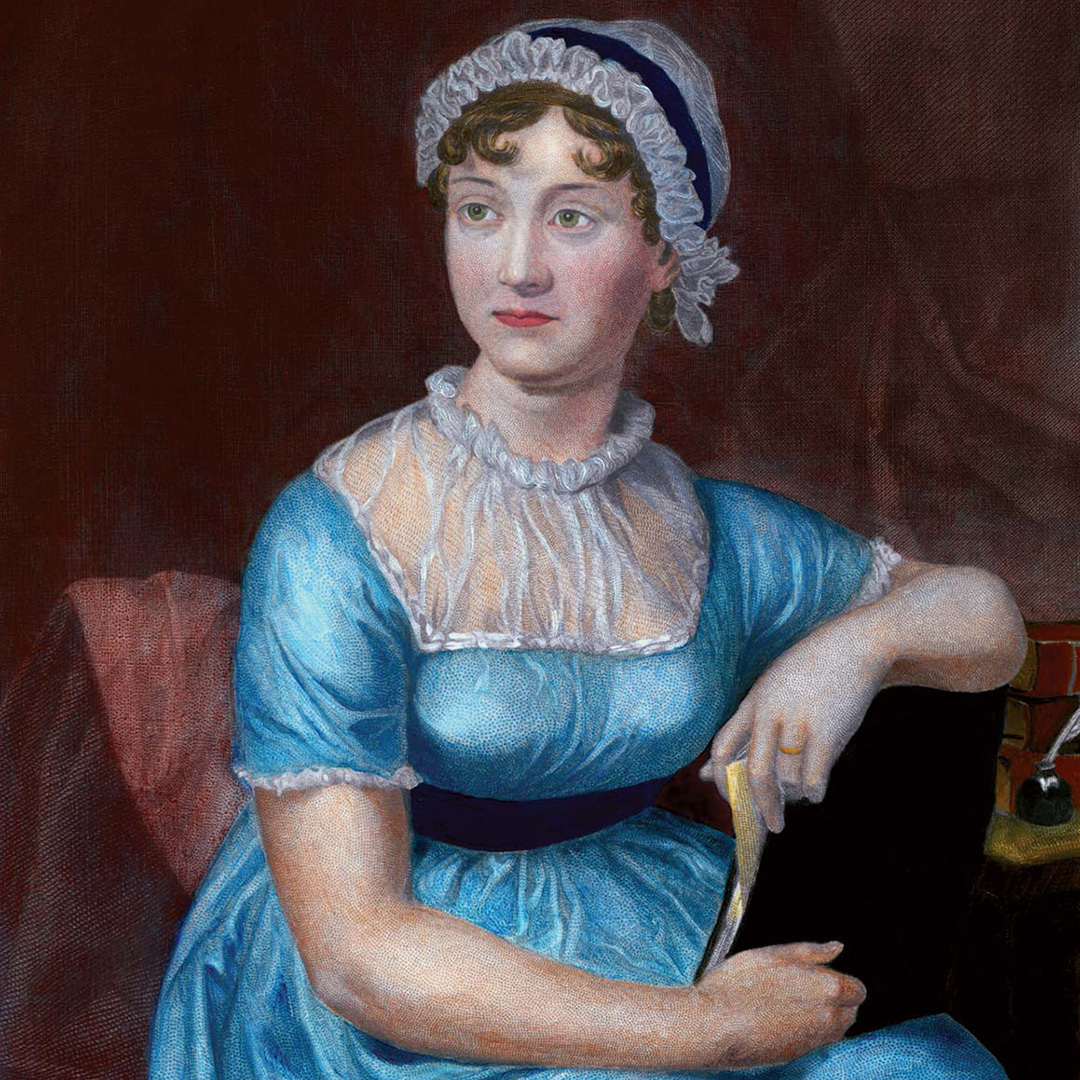
Jane Austen + Pride & Prejudice
Literary Manager and Dramaturg Kamilah Bush explores the life and time period of Jane Austen.

Pride & Prejudice Discussion Questions
See it! Talk about it! Discussion questions for Kate Hamill's Pride and Prejudice provided by Trinity Repertory Theater.
Kate Hamill's Pride & Prejudice: A Synopsis
A brief synopsis of Kate Hamill's theatrical adaption of Jane Austen's Pride and Prejudice by Jessica Hatem Lanman with the permission of Trinity Repertory Theater.
Behind the Curtain: The Rules of Regency Courtship
PCS Literary Manager & Dramaturg Kamilah Bush on the rules of marriage and romance during the Regency era.
Behind the Curtain: The Rules of Regency Courtship
PCS Literary Manager & Dramaturg Kamilah Bush on the rules of marriage and romance during the Regency era.
Kate Hamill's Pride & Prejudice: A Synopsis
A brief synopsis of Kate Hamill's theatrical adaption of Jane Austen's Pride and Prejudice by Jessica Hatem Lanman with the permission of Trinity Repertory Theater.
Pride & Prejudice Discussion Questions
See it! Talk about it! Discussion questions for Kate Hamill's Pride and Prejudice provided by Trinity Repertory Theater.
Current & Upcoming
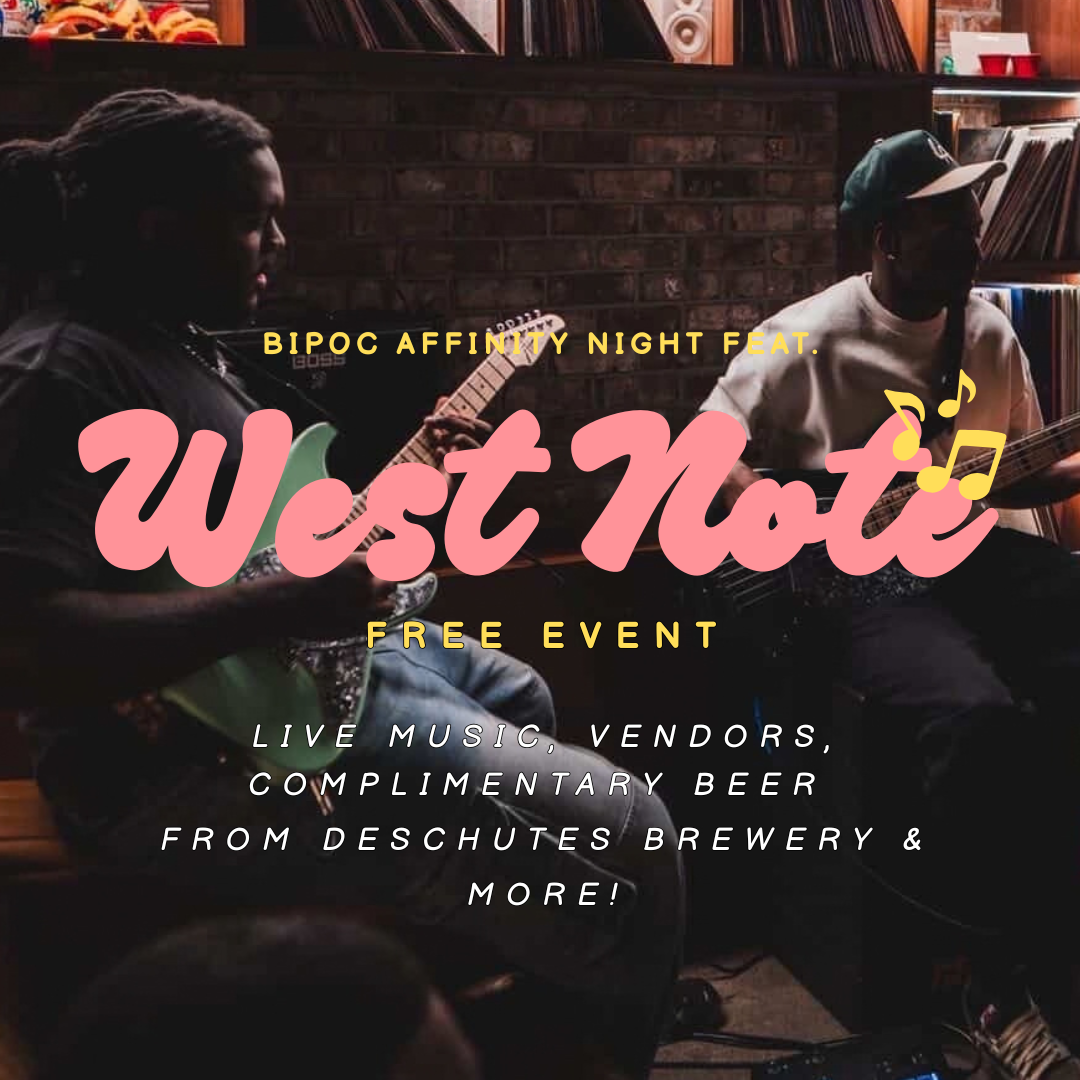
BIPOC Affinity Night: Pride & Prejudice
Join us for our BIPOC Affinity Night for Pride & Prejudice! Enjoy complimentary beverages from Deschutes Brewery, local vendors on our mezzanine, and live music from local R&B act West Note. A free pre-show event :)
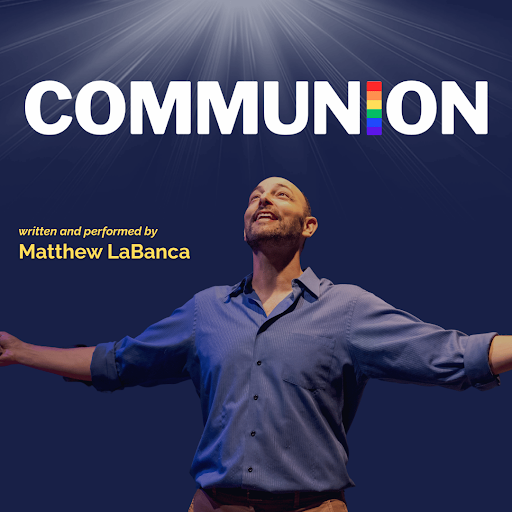
COMMUNION by Matthew LaBanca
Fired by the Catholic Church for marrying his husband, Matthew LaBanca transforms his true story into a powerful evening of music, humor, and hope.
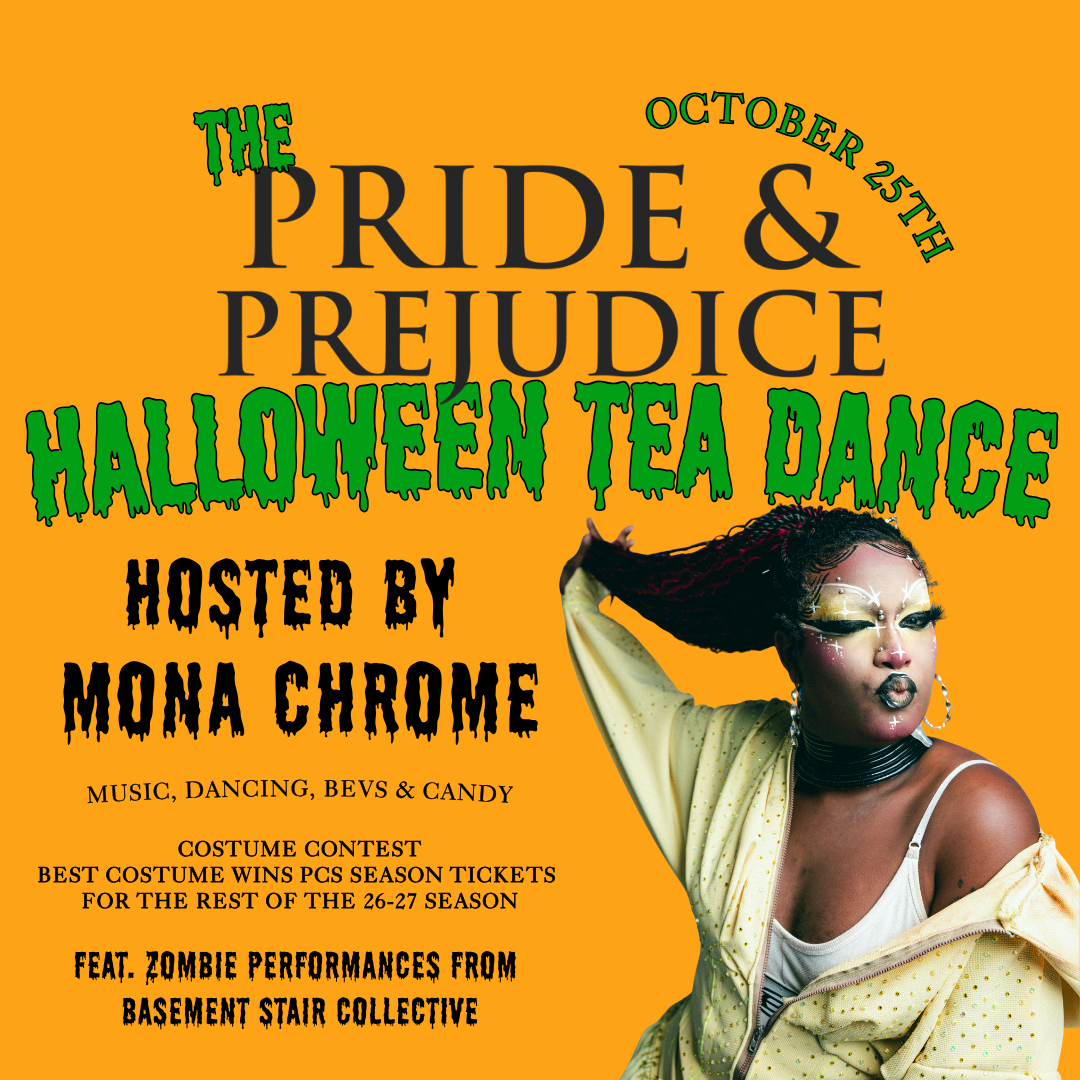
PCS Presents: The Pride & Prejudice Halloween Tea Dance
We are throwing a Halloween themed Tea Dance!
Pride & Prejudice is closing and being taken over by zombies looking to whet their appetite before Halloween. Part costume party - Part Halloween Celebration, Part Regency era courting ritual, All afternoon discotheque tea dance vibes. End your weekend on a spooky note with a somewhat civilized if not undead costume dance party.
Regency era and/or Zombie attire encouraged.
Hosted by the fabulous Mona Chrome.
Encore! Emerald Anniversary
Join us for an unforgettable evening celebrating 20 years at The Armory.
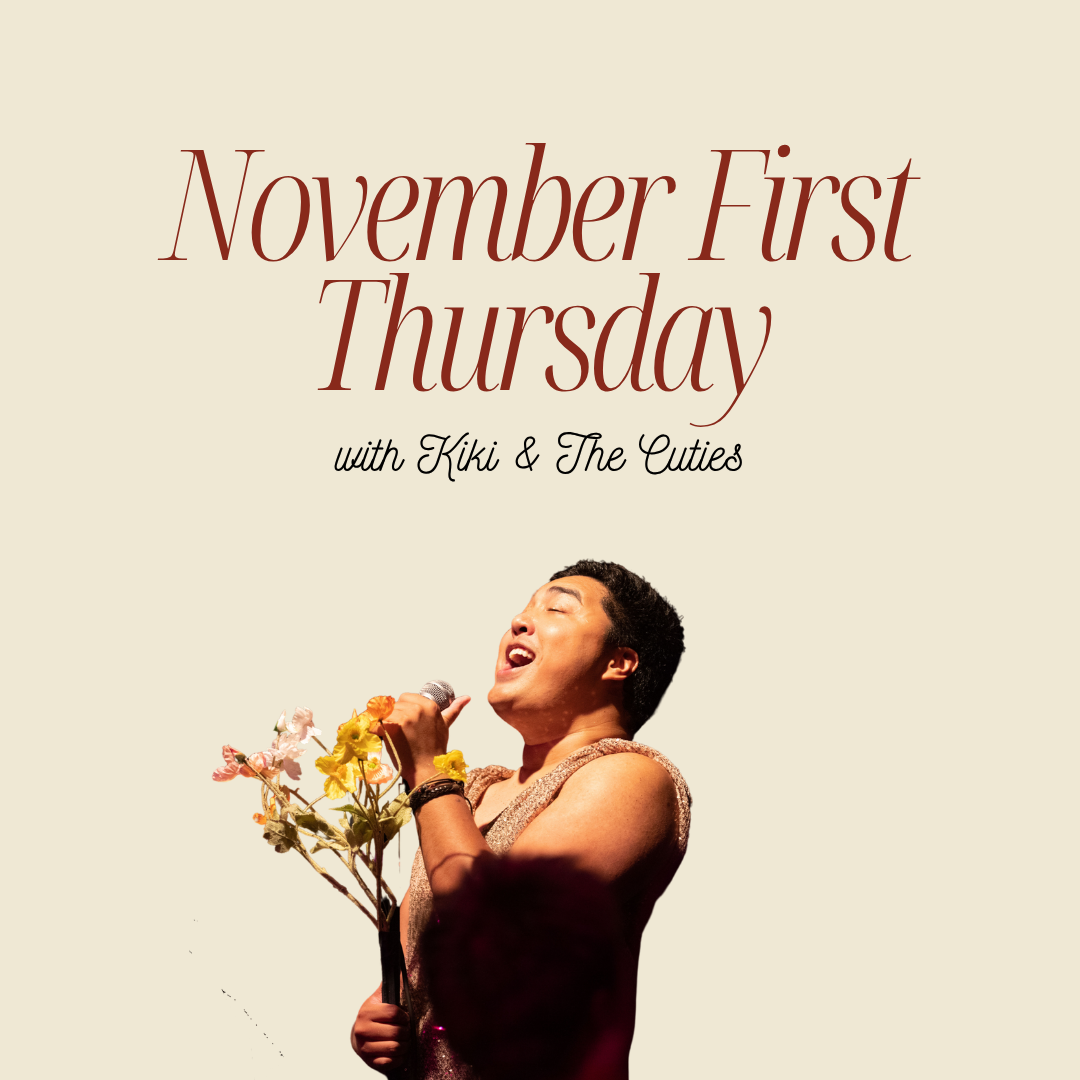
November First Thursday with Kiki & The Cuties
Our final First Thursday of the calendar year is going to be a special one! Enjoy live music from local act Kiki & The Cuties, our gallery exhibit Then. Now. Next. 20 Years at The Armory, and of course grab yourself a complimentary beer courtesy of Deschutes Brewery. Doors at 5PM, see ya there!!
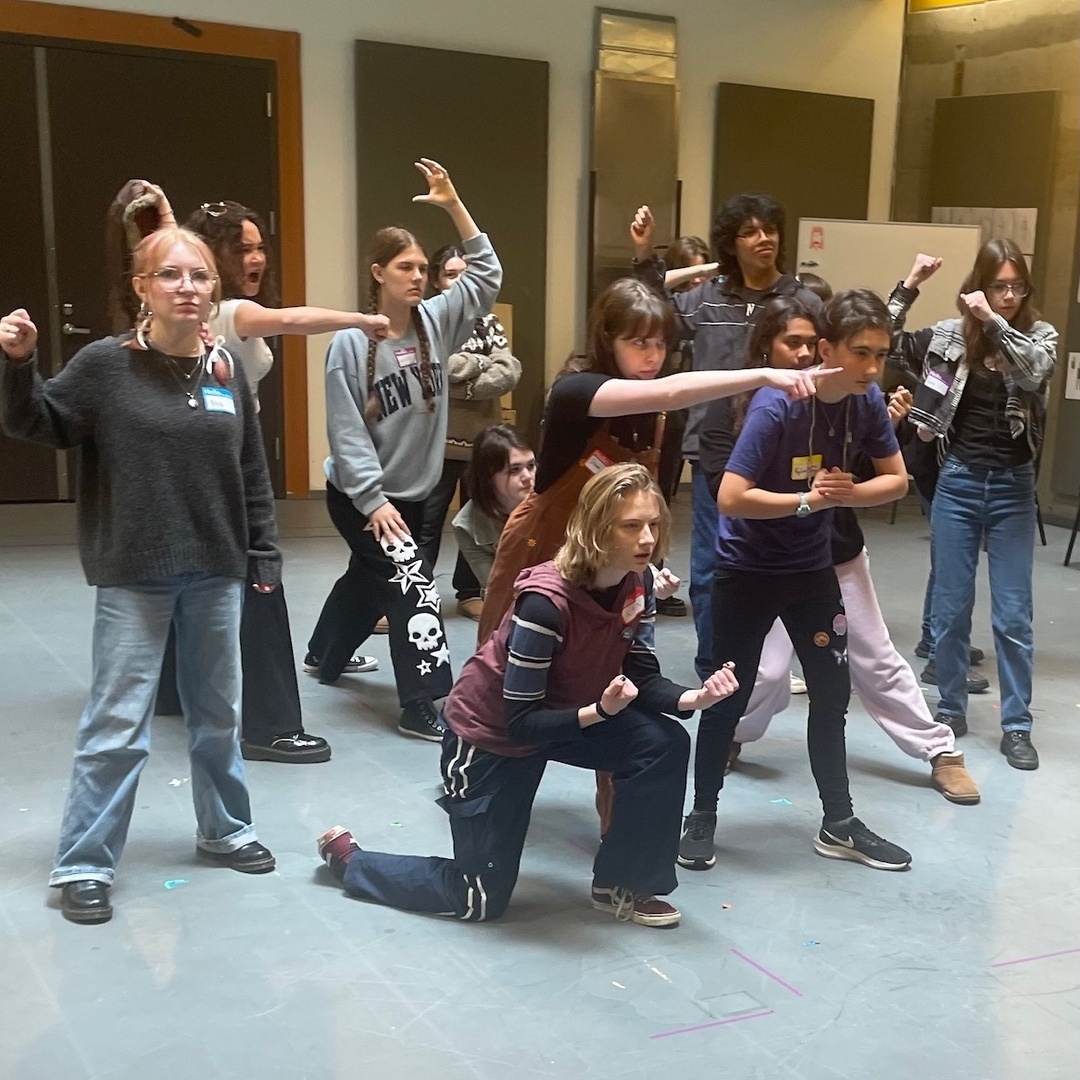
PCS Teens: Fall Improv Classes
Through fun games, acting lessons, and spontaneous character creation these classes will unlock your inner creative genius and give you the chance to get out of your comfort zone in a fun and safe environment.
Portland Center Stage is committed to identifying & interrupting instances of racism & all forms of oppression, through the principles of inclusion, diversity, equity, & accessibility (IDEA).
Season Superstars




Season Supporting Sponsors


Season Producing Sponsors