
Little Shop Themes, Styles, & Genres
FAUSTIAN BARGAINS
A Faustian bargain, or a “deal with the devil”, is a literary trope wherein a person “trades something of supreme moral or spiritual importance, such as personal values or the soul, for some worldly or material benefit, such as knowledge, power or riches.” [Encyclopedia Britannica].
This trope has its roots in German folklore — a myth based on a real man Johann Georg Faust who lived circa 1480-1540. The tale was popularized by Christopher Marlowe’s c. 1592 play The Tragical History of Doctor Faustus. This led to the most noted telling German writer Goethe’s two part epic play Faust, Part One and Faust, Part Two which he penned between 1772 and 1831. Thomas Mann’s novel Doctor Faustus, published 1947 became the most famous modern telling. In each version, the main character makes a bargain with Satan or another mystical being for creative success, infinite knowledge or, in the case of Goethe’s Faust, “an experience of transcendence on Earth—a moment so blissful that he wishes to remain in it forever, ceasing to strive further”. At the heart of the corruption of this character, is an insatiable ambition and often the pursuit of a woman which allows for him to sacrifice his soul.
B-MOVIES & SCI-FI
To save the faltering film industry during The Great Depression, film studios started padding the programming so viewers would get more bang for their buck. Encyclopedia Britannica describes: A typical bill at this time lasted three hours or more and included two features, cartoons, a newsreel, and previews of forthcoming films. Studios began making “B-Movies” to fill the double bill — small, low budget, typically “genre” films to play before the “A-Picture” — the blockbuster.
In the context of Little Shop, the B-movie has become more of a genre unto itself. Most B-Movies made during this boom were horror or sci-fi, following aliens from outer space, monsters from labs, or were set in dystopian futures. This paired with the low-budgets resulted in a cult movie canon, fueled by Americans Cold War fears, the campy nature of the B-Movie helped push science fiction into the mainstream and paved the way for big blockbuster films in the genre like Star Wars and Planet of the Apes.
1960'S GIRL GROUPS
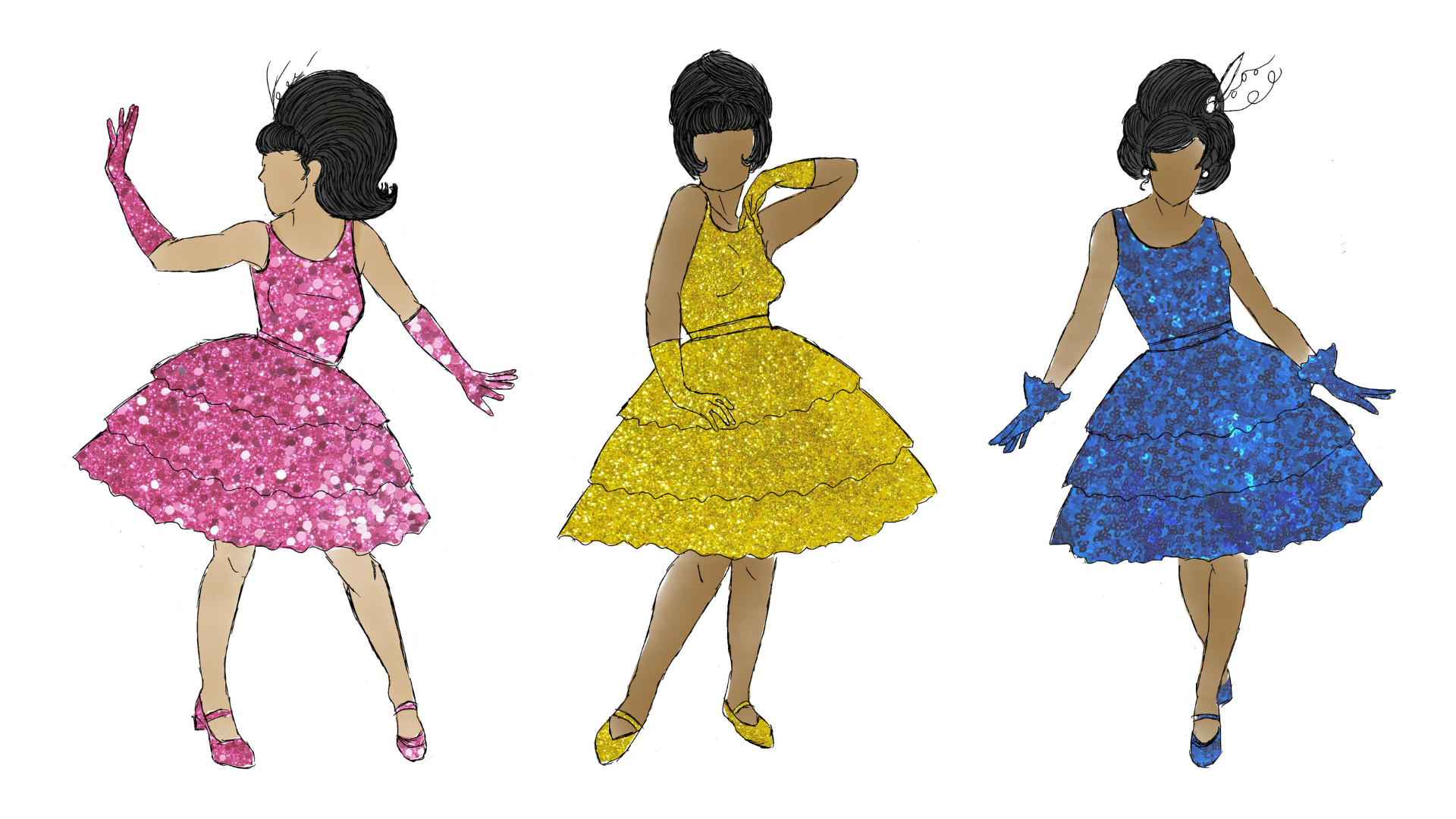
To achieve the “the dark side of Grease” sound that Ashman described, he and Menken managed to keep in a few traditional show tunes — “Somewhere that’s Green” and “Suddenly Seymour” — but leaned heavily on the sounds of Doo-Wop, early R&B and what became known as the “Motown Sound”. At the center of their score sits The Urchins who are modeled after the many girl groups of the 1960s. Below are some of those groups:
The Supremes
Formed in Detriot in 1959 and originally named The Primettes, The Supremes were friends from the Brewster-Douglass Housing Projects. Florence Ballard met Paul Williams and Eddie Kendricks, who at the time were a duo called The Primes but would go on to join the iconic Temptations. They added Florence and Paul’s girlfriend Betty to their group, and then eventually added Diana Ross. In 1960, Diana asked Smokey Robinson to introduce them to Berry Gordy at Motown and in 1961, he signed them to Motown Records. Their famous records including “Where Did Our Love Go”, “Baby Love”, “Stop in the Name of Love” and “You Can’t Hurry Love” — mostly penned by legendary songwriting group Holland-Dozier-Holland — earned them twelve number 1 singles on the Billboard Hot 100 and paved the way for many other girl groups
The Chiffons
Schoolmates Judy Craig, Patricia Bennet and Barbara Lee and Sylvia Peterson from James Monroe High School in the Bronx, formed in 1962. They were most known for their songs “One Fine Day” and “He So Fine”
The Ronnettes
New York was the birthplace of The Ronnettes, formed in 1959. Named for and led by Veronica “Ronnie” Spector, this group’s iconic sound of tight harmonies, upbeat poppy sounds and soulful melodies became the girl group blueprint. Ronnie was joined by her sister Estelle and their cousin Nedra Talley. Their songs “Be My Baby” and “Walking in the Rain” were early and lasting hits. The Ronettes placed nine songs on the Billboard Hot 100, six of which became Top 40 hits. They tourned as opening acts for The Beatles and The Rolling Stones.
The Crystals
Like the Ronnettes, the Crystals were formed in New York and produced by infamous producer Phil Spector. His “Wall of Sound” technique which according to NPR “treated the recording studio as a compositional instrument to create a dense, symphonic, and wall-like sound designed to cut through small AM car and tabletop radios”, created such hits for the Crystals as “Then He Kissed Me”, “He’s a Rebel” and “Da Doo Ron Ron” The original members were Barbara Alston, Mryna Giraud, Delores Kenniebrew, Mary Thomas and Pattie Wright.
Preview Image Details
(information about the image that accompanies links to this page)
The Urchins -- Ronnette, Chiffon, and Crystal -- in girl group aesthetic. Drawings by production Costume Designer Lucy Wells.
More about Little Shop of Horrors:
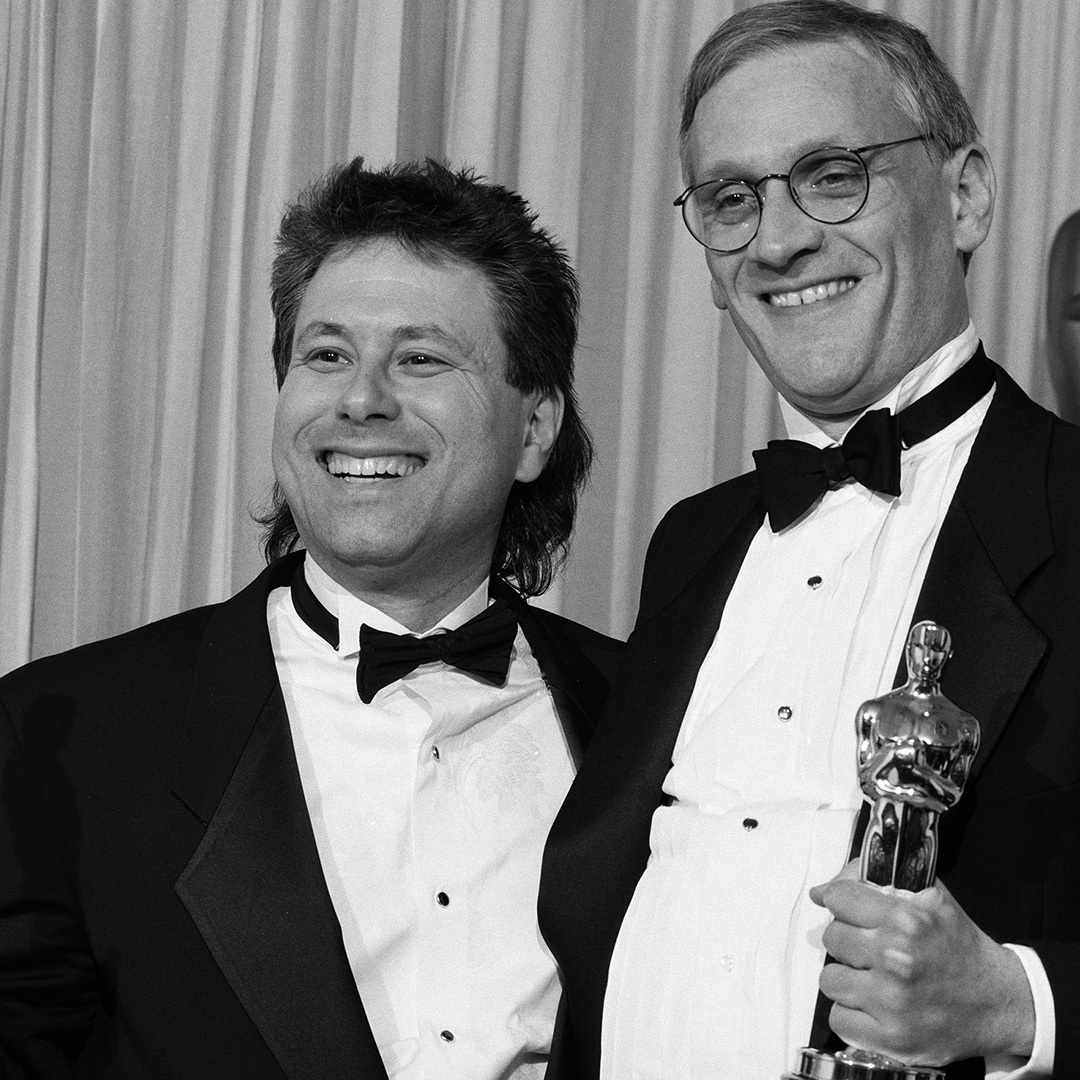
Little Shop of Horrors Creators: Ashman & Menken
Short biographies on the creators behind Little Shop of Horrors, Howard Ashman and Alan Menken.
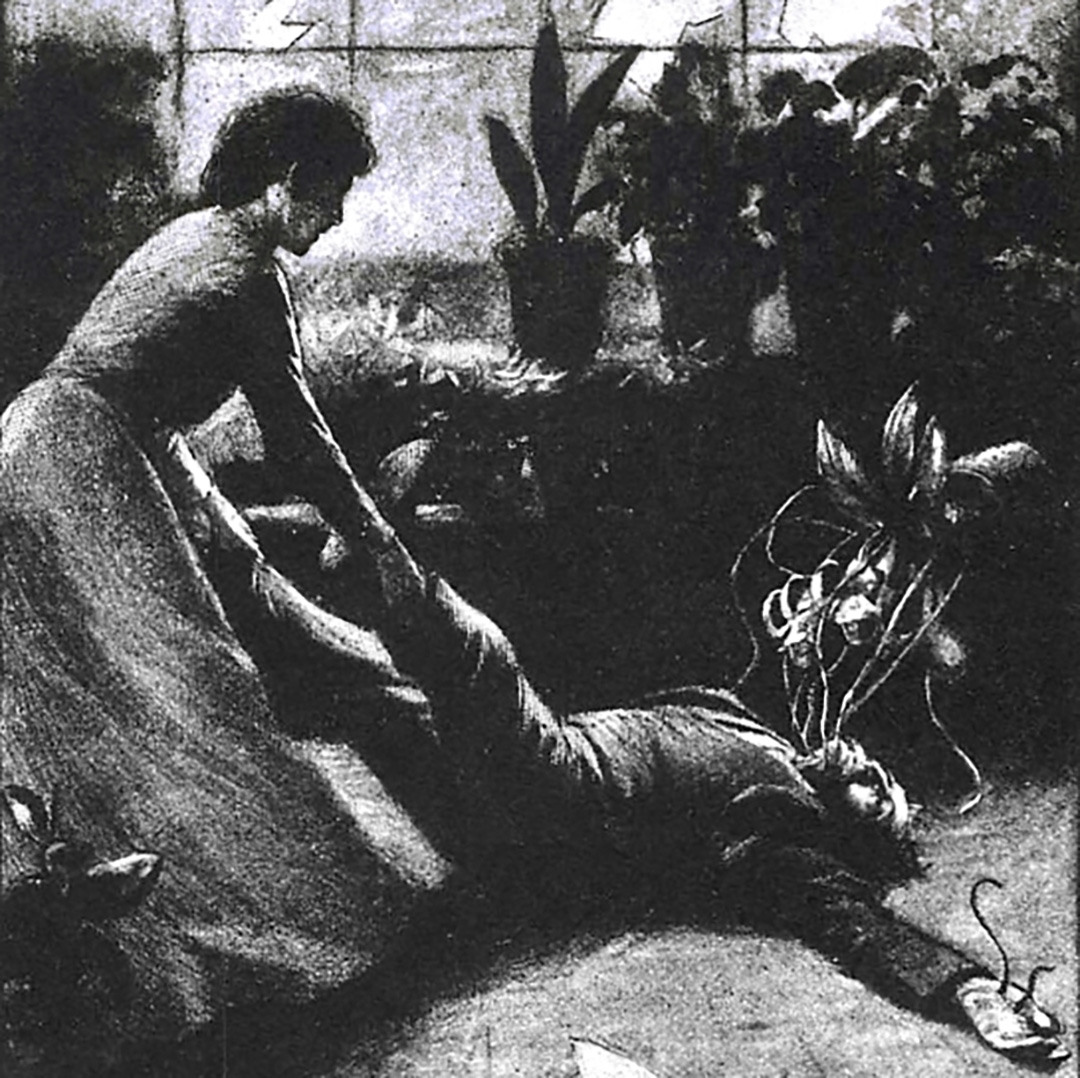
Behind the Curtain: The History Behind the Horror
The historical inspiration behind Little Shop of Horrors, from science-fiction short story to Hollywood B-list film starring a young Jack Nicholson.
Current & Upcoming
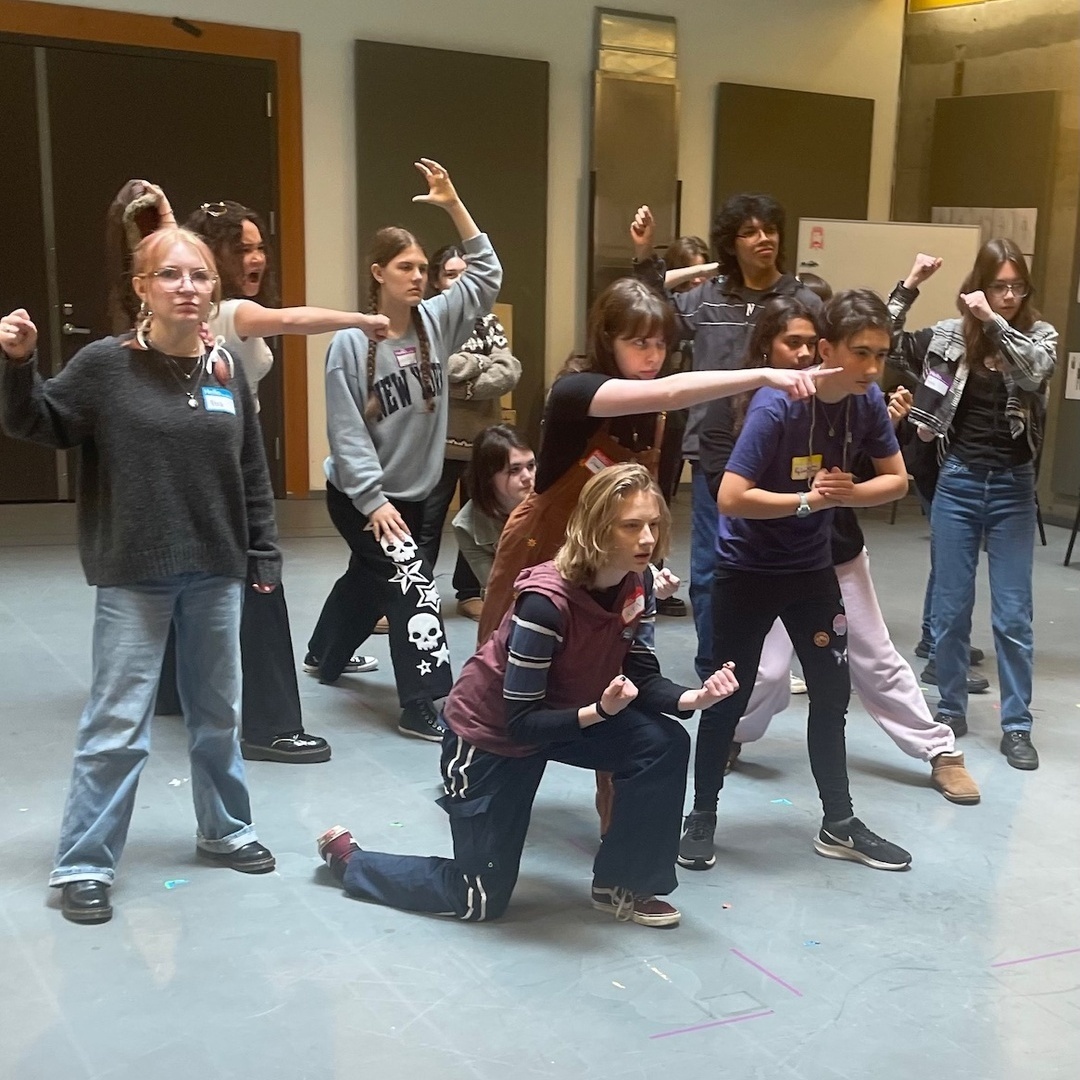
PCS Teens: Fall Improv Classes
Through fun games, acting lessons, and spontaneous character creation these classes will unlock your inner creative genius and give you the chance to get out of your comfort zone in a fun and safe environment.
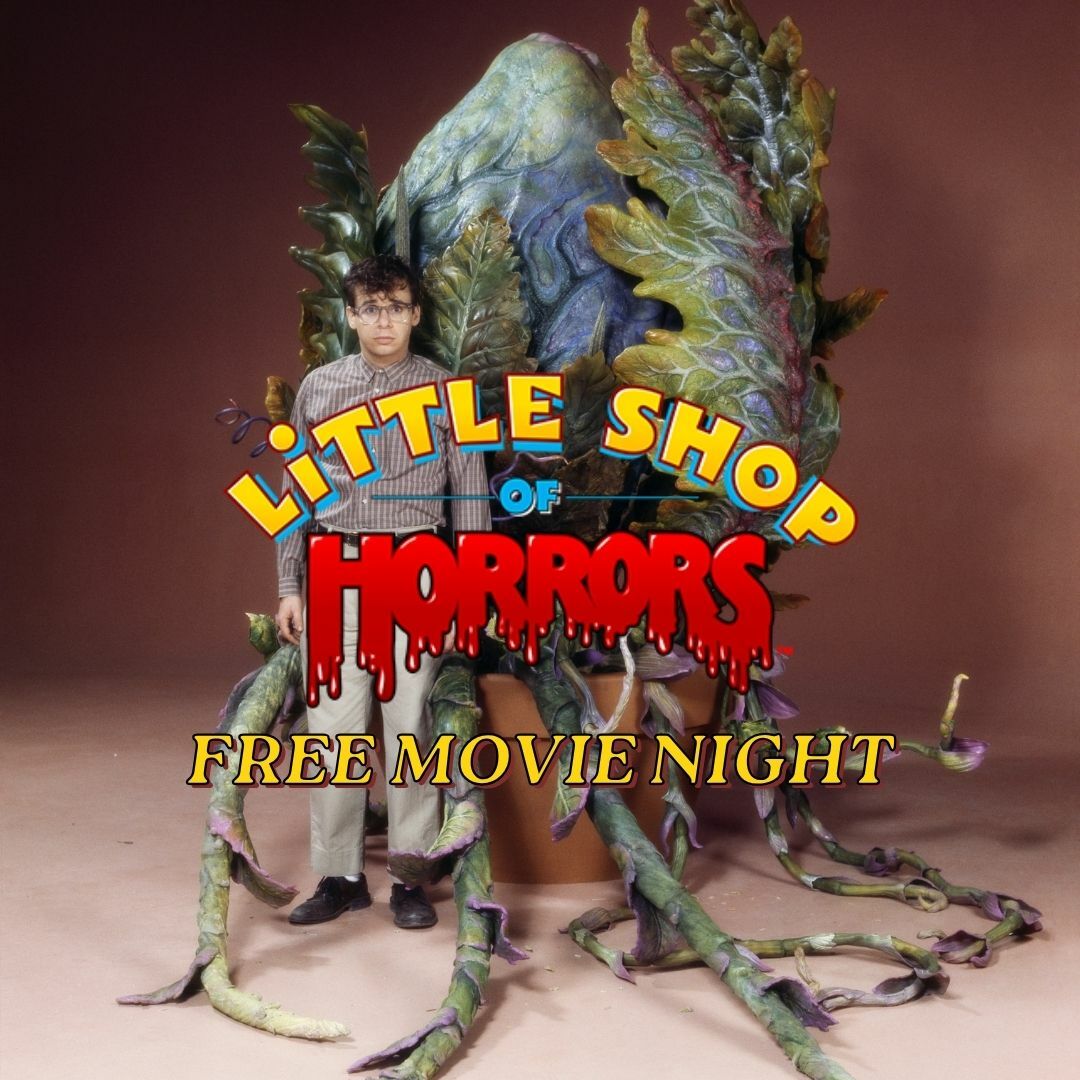
PCS Movie Night: Little Shop of Horrors (1986)
Suddenly we're seeing more Little Shop of Horrors!! Join us in the Ellyn Bye Studio for the 1986 rendition as we prep for our main stage production. This is a FREE Movie Screening. Our bar will be open before the show with both alcoholic and NA beverages. You are ENCOURAGED to bring your own candy. That's right, BYOC (just no popcorn. Popcorn will be confiscated!). Doors at 6PM, movie at 6:30PM sharp. See ya there!
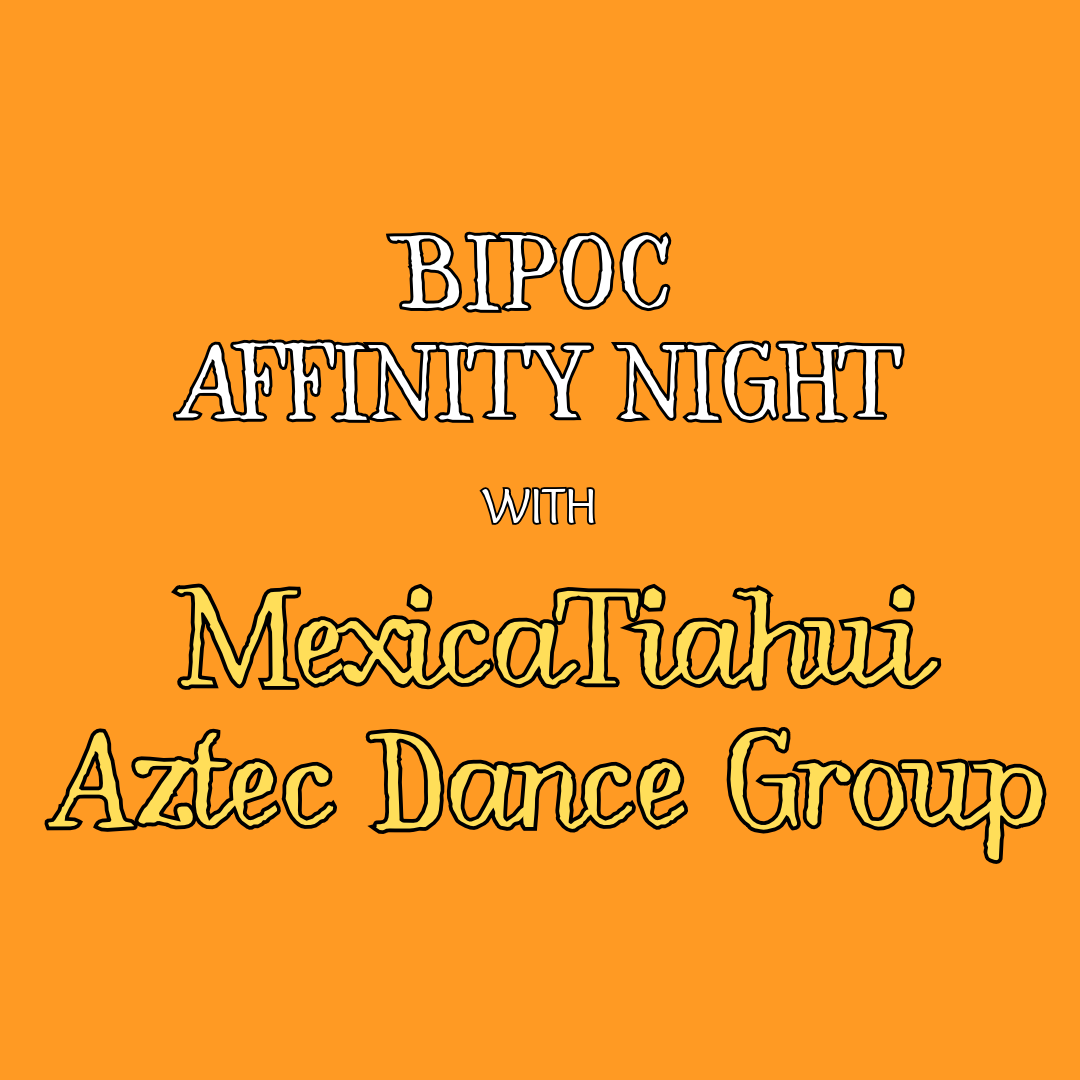
BIPOC Affinity Night w/ MexicaTiahui Aztec Dance Group
Join us before Little Shop of Horrors for a special pre-show dance performance from MexicaTiahui Aztec Dance Group. There will be drinks, snacks and fun for the whole family! Doors will open at 5:30PM, performance at 6PM.
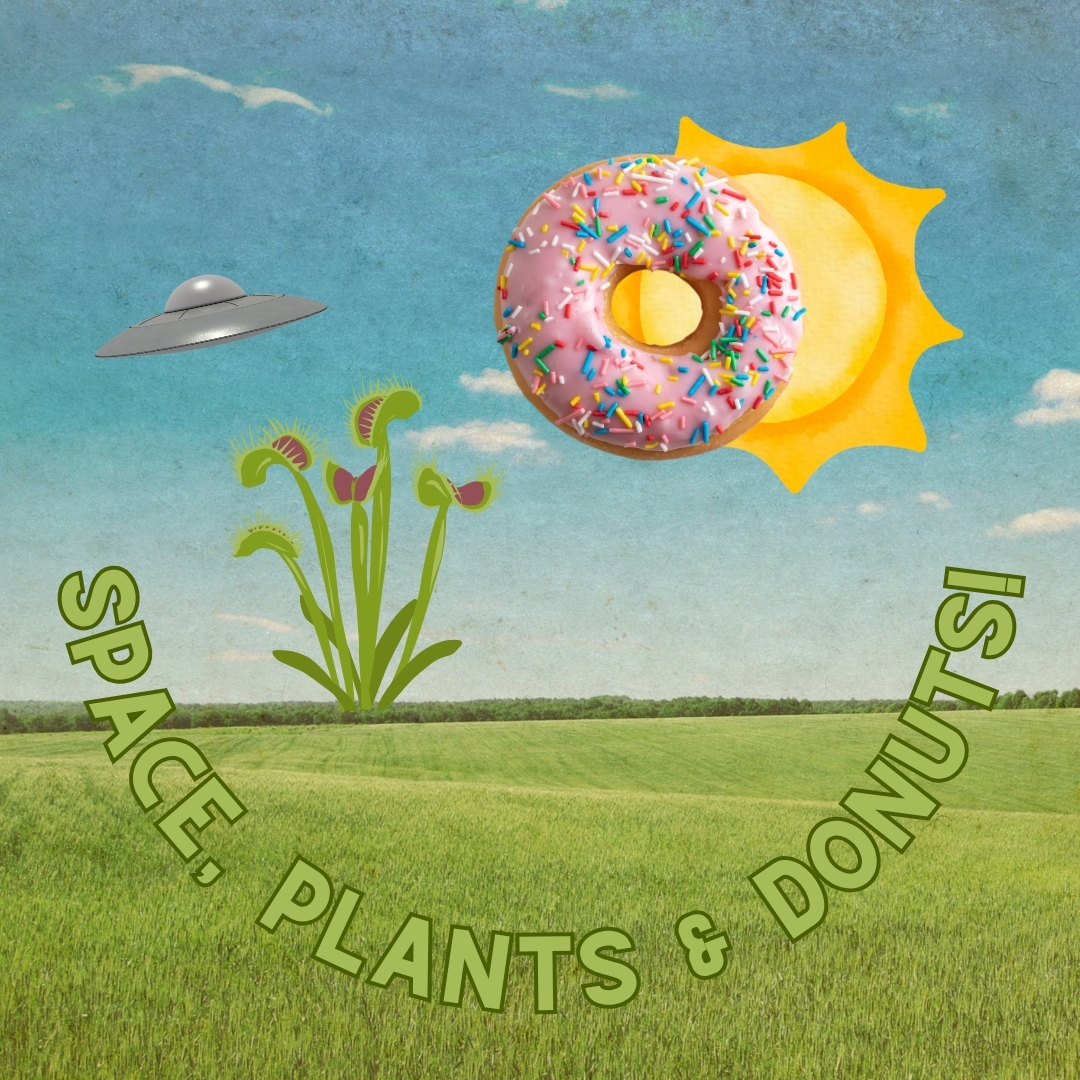
Space, Plants & Donuts!
Join us at our free pre-show event on November 29th for hands on presentations from Portland Carnivorous Plants & Rose City Astronomers! Learn about solar eclipses, extra terrestrial life, meet some real-life carnivorous plants..and heck..have a free donut while you do it! And of course, make sure to catch our 2PM matinee of Little Shop of Horrors.
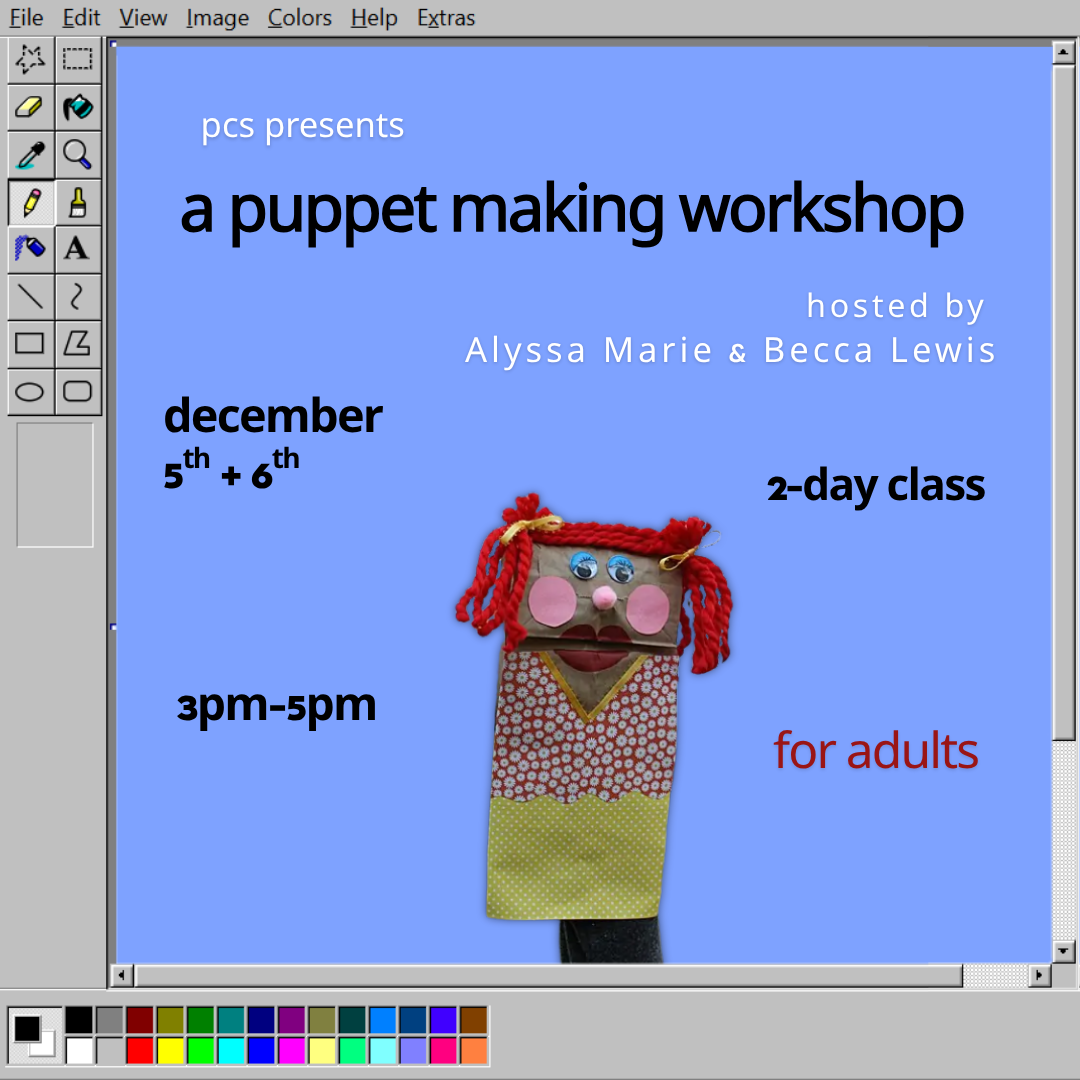
PCS Presents: A Puppet Making Workshop
Join us on December 5th & 6th from 3PM to 5pm for a two-day puppet crafting extravaganza!! Hosted by Alyssa Marie & Becca Lewis, the brilliant designers, builders, brains and puppet team behind PCS' Audrey II in Little Shop of Horrors. PCS welcomes you to A Puppet Making Workshop. If you've ever had the desire to create something with a life of its own, this is it!! Bring a friend, meet a friend...or make a friend! We've got you covered :) Ages 18+
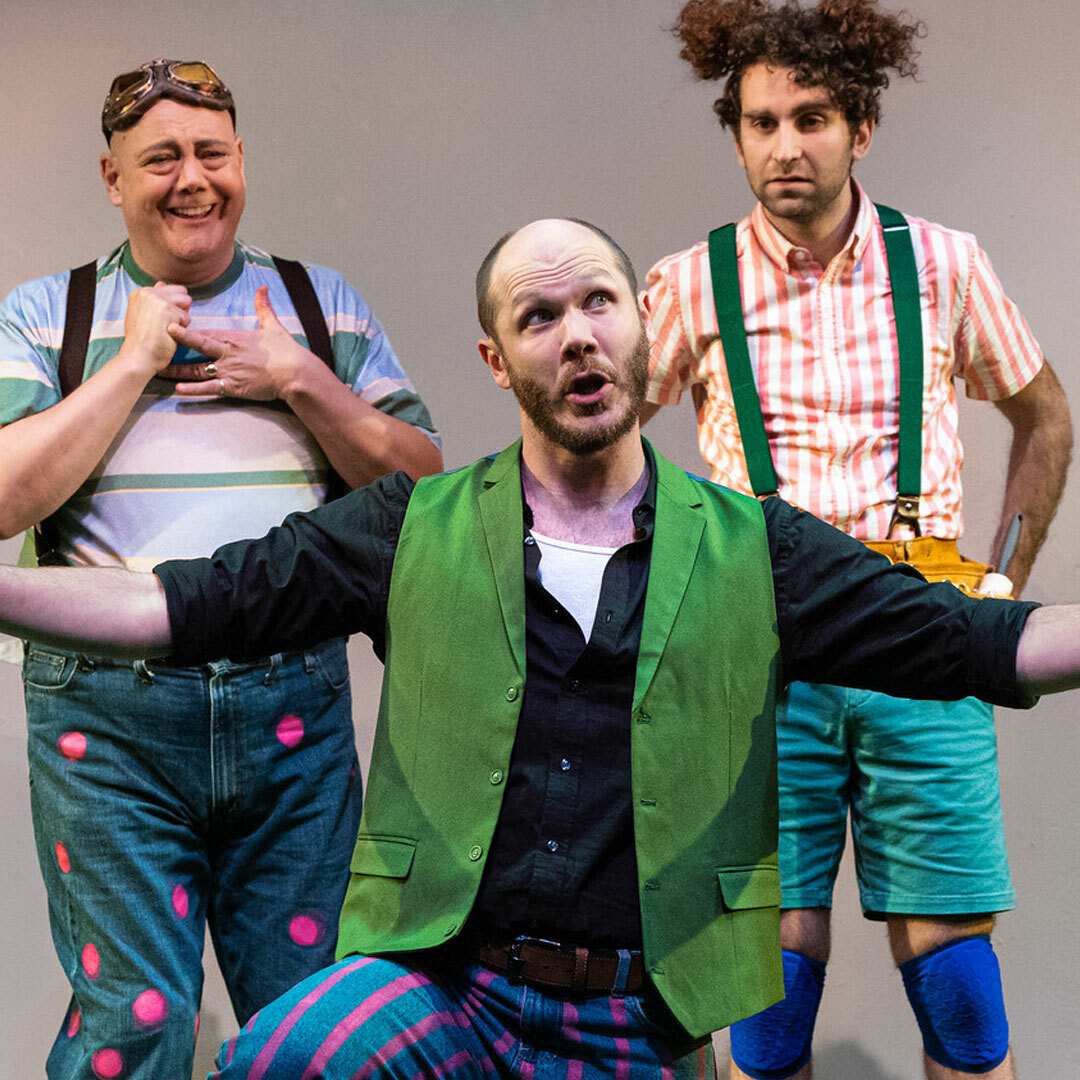
Improvisation Classes for Beginners
Whether you're looking to get more confident in social situations, think quicker on your feet, or get in touch with your imaginative side, these "one-off" improv classes will set you on the path to success!
Portland Center Stage is committed to identifying & interrupting instances of racism & all forms of oppression, through the principles of inclusion, diversity, equity, & accessibility (IDEA).
Season Superstars

Season Supporting Sponsors

Season Producing Sponsors